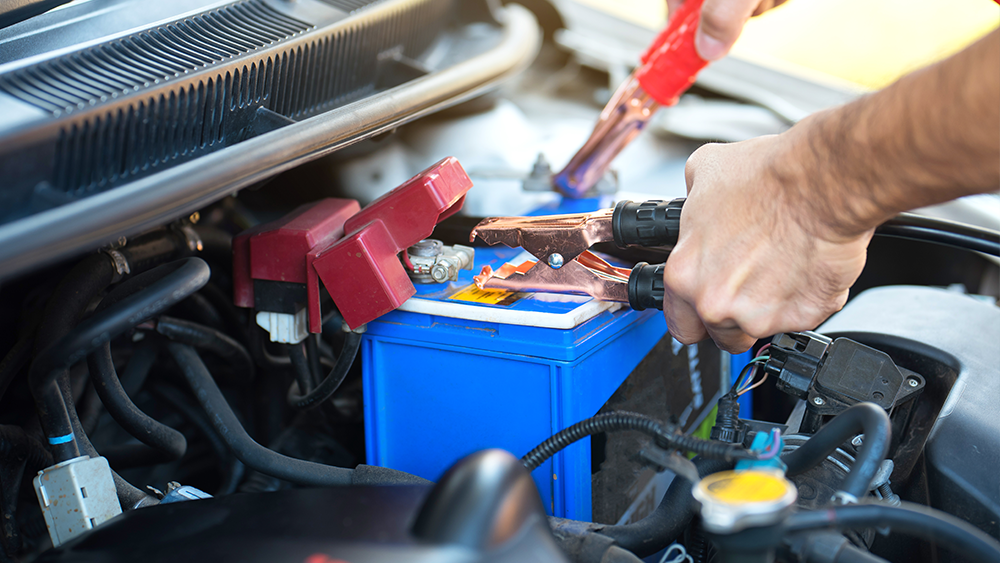
When your car refuses to start, stalls, or shows strange electrical issues, it’s natural to wonder what’s wrong. Most drivers jump straight to “I need a new battery,” but the real problem might be something else entirely: your alternator.
Because these two systems work so closely together, the symptoms can look nearly identical. That’s why so many people search for battery vs alternator symptoms, they want clarity before they book a repair.
This guide breaks down the difference between a bad battery and a bad alternator, the symptoms of each, how to diagnose them, and when it’s time to look for alternator repair near me or battery replacement near me.
If you’re dealing with no-starts, dim lights, or sudden stalling, you’ll know exactly what to do next.
Battery vs Alternator Symptoms: The Key Differences
Your battery and alternator both supply power, so why does your car need each one? Even though they share a few similar jobs, they power your vehicle at different times and in different ways.
Understanding Your Car’s Battery
You can think of your car’s battery like a cup of coffee, it gives your vehicle the burst of energy it needs to wake up. When you turn the key, the battery sends power to the starter, ignition coil(s), and other key parts to get the engine going.
But even though the battery delivers a strong jolt, it can’t keep your car running on its own for long. That’s where the alternator steps in.
What an Alternator Actually Does
Once your car is running, the alternator takes over by recharging the battery and powering almost all of your vehicle’s electrical systems. It does this by using a belt and pulley setup that turns the
engine’s spinning motion into electrical energy.
Inside the alternator, moving parts generate current that keeps everything working, from your headlights to your dashboard, all while keeping the battery topped up.
Common Bad Battery vs Alternator Symptoms
Failing batteries or alternators can throw off your day fast (and get expensive), so it’s important to watch for early warning signs. It can be hard to tell the difference at first, but once you know what to look for, figuring out what’s wrong becomes a lot easier.
Bad Battery Symptoms
Standard car batteries usually last about three to five years, and after that, they’re living on borrowed time. A dead battery can leave you stuck , if your car even starts, so keep an eye out for these signs that yours
may be failing:
- A clicking sound when you try to start the engine
- Slow cranking — that “rurr, rurr, rurr” sound when the car struggles to start
- A check engine or check battery light that pops on
- A battery case that looks swollen or bloated
- A sulfur or rotten-egg smell — if you notice this, your battery is likely leaking and needs to be replaced right away
If your battery looks good but the engine still won’t turn over, the starter might be the real issue. Take a look at the
signs of a bad starter before you go out and swap the battery.
Bad Alternator Symptoms
Alternators usually last a lot longer than batteries, but they can still fail sooner than expected. When an alternator starts going bad, it forces the battery to handle all the electrical work, and the battery can only keep that up for so long.
- Battery warning light turns on
- Voltage gauge shows readings that are way too low or too high while driving
- Battery keeps dying over and over
- Headlights or interior lights look dim or suddenly get too bright
- Power accessories feel weak or stop working, like windows, radio, or seat warmers
- You hear a whining, grinding, or growling sound coming from under the hood
- You notice a burning rubber smell
If you’re noticing any of these warning signs, it’s probably time for a repair.
Heart Certified Auto Care can check things out, figure out what’s going on, and get your car running smoothly again.
Key Reasons Behind Battery and Alternator Issues
Even with regular care, batteries and alternators still wear down over time. Knowing what usually causes these issues makes it easier to spot problems early or even prevent them altogether.
Reasons for a Bad Battery
Many things can drain your car’s battery, whether it’s the way you drive or the battery’s overall condition. Here are some of the most common reasons a
battery fails:
- Age and Wear: As your battery gets older, it naturally loses its ability to hold a charge. Standard car batteries break down over time, especially if they’re not well maintained.
- Extreme Temperatures: Hot weather can make battery fluid evaporate, and cold weather slows the chemical reactions inside the battery. Either way, extreme temps make it harder for your battery to deliver power.
- Corroded or Loose Connections: Dirty, loose, or corroded battery terminals can stop the battery from charging or sending out power the way it should. Make sure the wires and terminals stay clean and clear of buildup.
- Overusing Electric Accessories: Leaving things like interior lights, alarms, or chargers running or plugged in can drain the battery, especially if you don’t drive the car often.
- Frequent Short Trips: Short drives don’t give the alternator enough time to recharge the battery fully, which can wear it down over time.
- Long Periods Without Driving: When a car sits for too long without being driven, the battery slowly drains and may end up too weak to start the engine.
Reasons for a Bad Alternator
Although alternators usually last longer than batteries, they can still wear down or get damaged over time.
Some of the most common reasons an alternator fails include:
- Worn-Out Internal Parts: When pieces like bearings or brushes start to wear down, the alternator can’t produce power as well as it should.
- Broken or Slipping Drive Belt: The alternator needs a belt from the engine to spin. If that belt breaks or slips, the alternator won’t be able to make power.
- Contamination: Water, oil, or any leaking fluid getting inside the alternator can damage its parts and lead to failure.
- Environmental Strain: Moisture, extreme heat, and constant vibrations can put extra stress on the alternator and make it wear out faster.
How to Tell if It’s Your Battery or Alternator
If you want to figure out what’s going on before you head to a shop, here’s an easy step-by-step rundown.
1. Perform a Headlight Test
Turn on your headlights and start the engine.
- If headlights brighten when you rev: Likely a bad battery.
- If headlights dim or flicker while running: Likely a bad alternator.
2. Jump the Car and Observe
If the car starts with a jump:
- Stalls shortly after: Alternator problem.
- Runs fine but won’t restart later: Battery problem.
3. Check Battery Voltage (if you have a multimeter)
If running voltage is low, the alternator is to blame.
- A healthy battery (engine off): 12.4–12.6 volts
- While running (alternator charging): 13.7–14.7 volts
4. Test for Stalling While Driving
A battery can’t cause stalling at highway speeds.
An alternator can.
Preventative Tips to Avoid Electrical Breakdowns
You can help your battery and alternator last longer just by building a few simple habits:
- Get your battery tested twice a year: Especially before winter and summer.
- Listen for unusual noises: A whining or grinding alternator bearing is an early failure sign.
- Inspect battery terminals for corrosion
Corrosion disrupts charging and starting performance. - Avoid short, frequent trips: They don’t allow the alternator enough time to recharge the battery.
- Replace aging batteries proactively: Most drivers push their luck and wait until the battery completely fails. A planned replacement is always cheaper and safer.
When to Search for Alternator & Battery Repair Near Me
If your car keeps stalling, the lights flicker, the electronics act up, or the battery light stays on while you’re driving, there’s a good chance the alternator is failing. They usually don’t give much warning. Once the charging gets spotty, the car might only stay running for a few minutes before it shuts off.
That’s why it’s worth searching for alternator repair near me as soon as you notice any symptoms. Getting it checked early helps prevent:
- Roadside breakdowns
- Damage to your battery
- Damage to related electrical components
- Unpredictable stalling in traffic