

Top 5 Northbrook Engine Problems and How to Fix Them
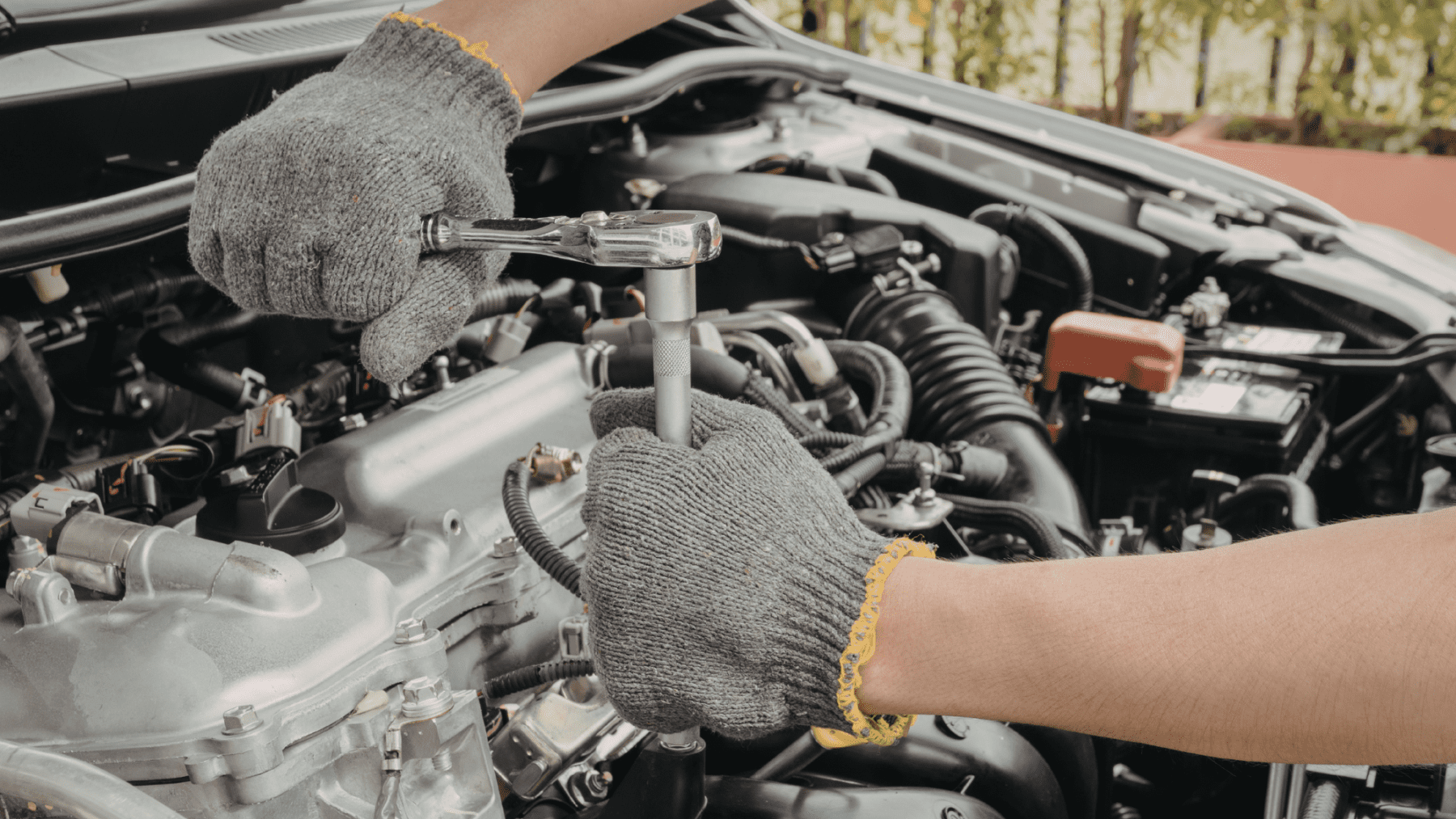

Engine issues don’t just show up out of nowhere. They build up over time—starting as small noises, light warnings, or slight changes in how your car runs, then turning into bigger and more expensive repairs. For Northbrook drivers, big temperature swings, heavy stop-and-go traffic, and older vehicles make engine trouble more common than most people think.
At Heart Certified Auto Care, we’ve been helping Northbrook drivers stay ahead of engine trouble for decades. This guide breaks down the top Northbrook engine problems, why they happen, the signs to look for, and how our team can help you handle them before they turn into major headaches.
Our goal is simple: protect your engine, your budget, and your peace of mind.
1. Engine Overheating Issues
Northbrook’s climate is hard on cooling systems. Hot summers stress your coolant and radiator. Cold winters stress your hoses, clamps, and plastic components. Over time, that thermal cycling increases the risk of overheating.
Common Causes of Engine Overheating
An overheating engine almost always points to a cooling system that can’t keep up. Some of the most common causes we see in our Northbrook bays include:
- Low or old coolant Coolant breaks down over time and loses its ability to transfer heat. Leaks can also slowly drop coolant levels without you noticing.
- Thermostat stuck closed or partially closed The thermostat regulates coolant flow. If it sticks, hot coolant can’t circulate properly, causing the engine to overheat quickly.
- Radiator clogs or damage Internal debris or external damage restricts flow through the radiator, reducing its ability to dissipate heat.
- Failing water pump The water pump circulates coolant through the system. When it fails, coolant flow drops and temperatures rise rapidly.
- Cooling fan issues
Electric fans that do not switch on, or mechanical fan clutches that fail, reduce airflow across the radiator—especially in traffic.
Warning Signs You Shouldn’t Ignore
Overheating usually gives you warnings before you see steam:
- Temperature gauge creeping higher than normal
- Dashboard warning light for high engine temperature
- Sweet smell (coolant) inside or outside the cabin
- Heater suddenly blowing cold air when it should be warm
- Visible coolant leaks or puddles under the front of the vehicle
If you notice any of these, it’s time for a professional inspection before you end up on the side of the road.
When Overheating Requires Immediate Repair
Some overheating situations are emergencies:
- The temperature needle is in the red
- Steam is coming from under the hood
- You get a “STOP ENGINE” or similar warning
- The engine shuts down on its own
In these cases:
- Safely pull over.
- Turn off the engine.
- Do not open the radiator cap when it’s hot.
- Arrange a tow to Heart Certified Auto Care.
Driving through an overheating episode is one of the fastest ways to destroy an engine. A quick tow is much cheaper than an engine replacement.
2. Rough Idling and Engine Misfires
Misfires are one of the most common Northbrook engine problems we diagnose. They affect performance, fuel economy, and emissions, and if left unresolved, they can cause serious damage.
Why Engines Misfire in Local Drivers’ Cars
Here’s how to narrow it down:
Several factors make misfires more common in Northbrook:
- Cold starts in winter Cold temperatures make it harder to ignite fuel, and marginal spark plugs or coils start to show their weakness.
- Short-trip driving Many local drivers make short trips that never allow the engine to reach full operating temperature, which leads to carbon buildup and moisture issues.
- Aging ignition components
Spark plugs, plug wires, and ignition coils wear out over time, especially on vehicles with higher mileage.
Common root causes include:
- Worn or fouled spark plugs
- Failing ignition coils
- Clogged or malfunctioning fuel injectors
- Vacuum leaks
- Low fuel pressure or failing fuel pump
- Internal engine problems (like low compression)
Key Symptoms of a Misfiring Engine
A misfire can feel subtle or dramatic. Look for:
- Shaking or vibration at idle
- Hesitation or jerking when accelerating
- Reduced power, especially under load
- Poor fuel economy
- Check engine light on or flashing
- Strong fuel smell from the exhaust
A flashing check engine light during a misfire means unburned fuel is entering the exhaust system, which can quickly damage the catalytic converter.
3. Oil Leaks and Low Oil Levels
Oil is your engine’s lifeblood. It keeps parts moving smoothly, manages heat, and cuts down wear. When oil starts to disappear—even slowly—it puts your engine at real risk.
Oil leaks are especially common in Northbrook because of older vehicles, high mileage, and constant freeze-thaw cycles.
What Causes Oil Leaks in Northbrook Vehicles
We see several frequent leak points:
- Valve cover gaskets These rubber gaskets seal the top of the engine. Over time, they harden and crack, leading to oil seepage down the engine block.
- Oil pan gasket and oil pan damage Impacts with road debris, curbs, or ice chunks can damage the oil pan or its gasket.
- Front and rear main seals These seals sit at either end of the crankshaft. When they wear out, oil can leak where the engine connects to the transmission.
- Oil filter and drain plug issues Incorrect installation, worn washers, or stripped threads can cause leaks after an oil change.
- PCV (Positive Crankcase Ventilation) system problems
A clogged PCV system can increase crankcase pressure and push oil past seals and gaskets.
Cold weather accelerates rubber degradation, and short trips can cause condensation and sludge buildup, both of which contribute to leaks.
Major Risks of Running Low on Oil
Running low on oil can cause:
- Excessive friction between moving parts
- Overheating in high-load areas inside the engine
- Premature wear of bearings and camshafts
- Engine seizure in severe cases
The scary part: many drivers do not notice until it is too late. A small leak, ignored for months, can become a full engine replacement.
Signs You Need an Immediate Inspection
You should schedule an inspection at Heart Certified Auto Care if:
- You see dark, oily spots where you park
- You smell burning oil while driving or idling
- The low oil pressure or oil level light comes on
- You are adding oil between changes
- You hear ticking or knocking noises from the engine
We will locate the leak, assess how severe it is, and give you a clear, prioritized repair plan.

4. Check Engine Light Issues
The check engine light is your vehicle’s way of saying, “Something isn’t right.” Sometimes the cause is minor. Sometimes it’s serious. Either way, ignoring it is never a good strategy.
Most Common Check Engine Light Triggers
Among engine problems, check engine lights show up a lot. Common triggers include:
- Oxygen sensor failures These sensors monitor exhaust gases. When they fail, fuel economy drops and emissions go up.
- Catalytic converter issues Misfires, aging, and contamination can damage the catalytic converter, leading to power loss and higher emissions.
- EVAP (evaporative emissions) system leaks A loose gas cap or small leak in the vapor system can trigger the light.
- Misfires Faulty ignition coils, spark plugs, or fuel injectors cause incomplete combustion.
- Mass air flow (MAF) or manifold absolute pressure (MAP) sensor issues
If these sensors give bad data, the engine runs too rich or too lean.
When It’s Safe to Drive and When It’s Not
There are two main check engine light states:
- Steady light The car is detecting a fault, but it’s not yet catastrophic. It’s generally safe to drive short distances, but you should schedule service soon.
- Flashing light
This usually indicates active misfires that can damage the catalytic converter and engine. You should stop driving as soon as it’s safe and arrange a tow.
If you’re ever unsure, call us. We can help you decide whether it’s safe to drive in or if you should tow the vehicle to Heart.
5. Unusual Engine Noises
Engines are not silent, but you get used to how your car normally sounds. When that sound changes, it’s your cue that something has changed mechanically.
Unusual noises are one of the most valuable early warning signs of engine problems.
Types of Engine Noises and Their Meanings
Here are some of the noises that demand attention:
- Ticking or tapping
May indicate low oil, valvetrain wear, or issues with lifters or camshafts. - Knocking or pinging
Can be caused by low-octane fuel, incorrect ignition timing, carbon buildup, or more serious bearing and rod issues. - Grinding
Often points to failing accessories (alternator, water pump, AC compressor) or internal mechanical damage. - Whining
Could be from worn belts, pulleys, or power steering pump issues. - Hissing
May indicate a vacuum leak or a coolant/steam leak.
The exact sound, when it happens (cold start, under load, at idle), and how it changes over time are all important clues.
Why These Noises Matter
Noises matter because they often show up before a complete failure:
- A light tick today can become a major mechanical issue later.
- A slight knock under load can develop into a spun bearing.
- A faint grind can turn into a seized accessory that causes belt failure.
The sooner we hear and diagnose the noise, the more options you have and the less expensive the repair tends to be.
Protect Your Car from Engine Problems
Every engine problem tells a story—about how the vehicle is driven, maintained, and aged. Whether you are dealing with overheating, misfires, oil leaks, a check engine light, or strange noises, one rule holds true: early action is always cheaper than late action.
At Heart Certified Auto Care, we combine:
- ASE-certified technicians with deep diagnostic experience
- Advanced equipment for accurate testing
- A transparent, education-first approach with every customer
So you know exactly what’s happening under the hood and what it takes to fix it.
If you’re noticing any of these engine problems, schedule an engine diagnostic with Heart Certified Auto Care Northbrook today.
We’ll help you keep your car running safe, smooth, and strong—for the long haul.
Auto Repair & Maintenance Near You

Auto Repair That Actually Cares
At HEART Certified Auto Care, we believe auto repair should feel honest, approachable, and stress-free — not confusing or intimidating. We’re not your typical repair shop. We take the time to explain what your car truly needs (and what it doesn’t), so you can make confident decisions without pressure.
Our experienced technicians focus on long-term vehicle health, preventative care, and clear communication. Whether you’re stopping in for routine maintenance or unexpected repairs, you’ll always be treated like family — with respect, transparency, and genuine care for your safety on the road.
With multiple convenient locations, HEART Certified Auto Care proudly serves drivers throughout Chicago’s North Shore and surrounding suburbs, providing dependable auto repair you can trust year after year.
Proudly Serving Local Communities Including:
Looking for dependable auto repair near you? Schedule an appointment with HEART Certified Auto Care today and experience the difference of local service done right.
Proud to Partner With Our Local Chambers of Commerce Rooted in the Communities We Serve



What HEART Offers
Servicing Your Vehicle Has Never Been Easier

3 Year Warranty

Free Loaner Cars

98% Same Day Service

Transparent Pricing

Finance Options

Certified Technicians
