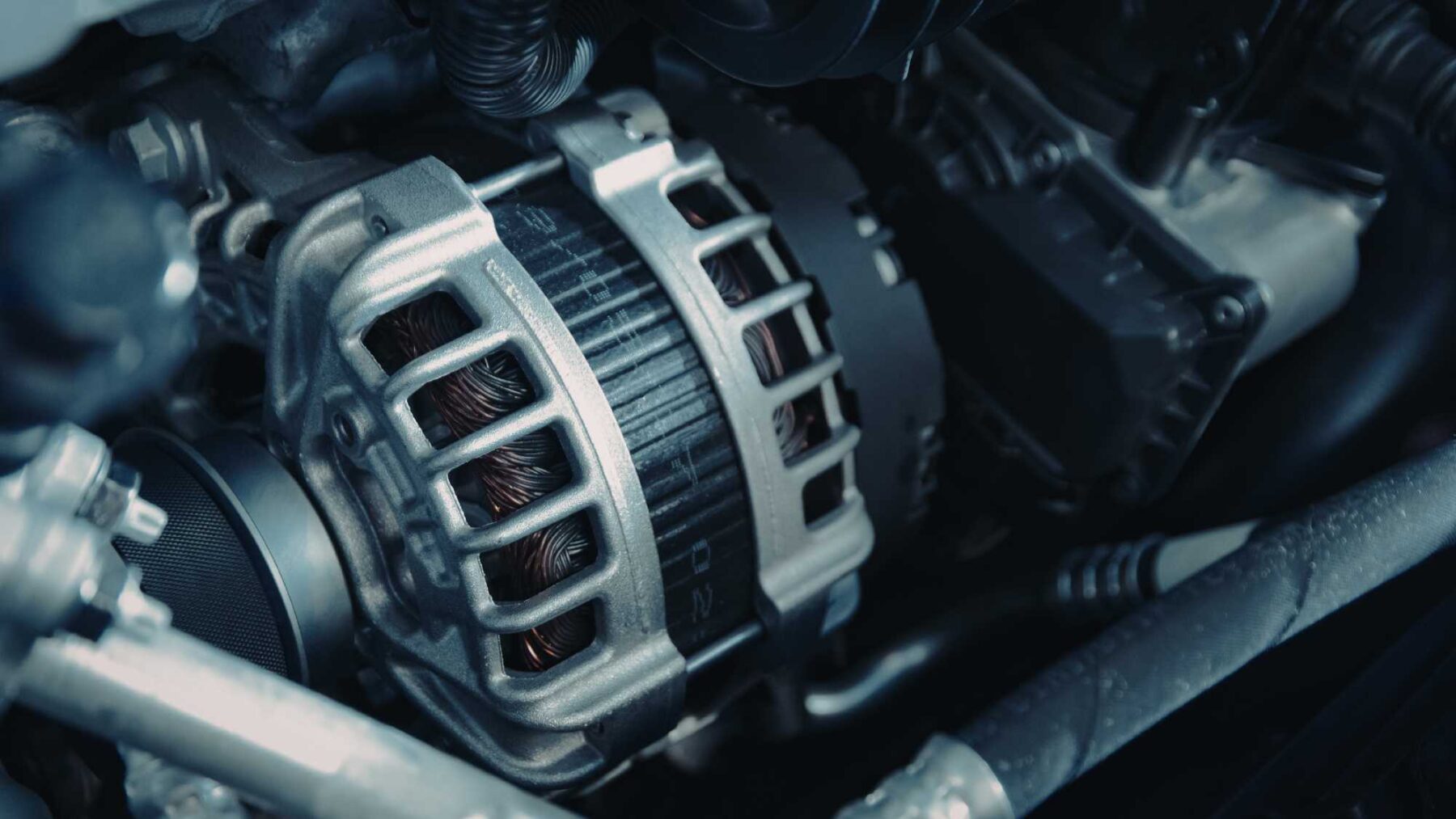
When your alternator starts failing, your vehicle will usually warn you before it stops running altogether. Most drivers mistake these early symptoms for a weak battery or typical electrical quirks, but ignoring them can leave you stuck with a car that won’t start.
This guide breaks down the most common signs of alternator trouble, how to distinguish alternator issues from battery failure, and when Wilmette drivers should consider a full replacement.
If you’re seeing any of the symptoms below, it may be time for trusted help from Heart Certified Auto Care.
Common Warning Signs Your Alternator Is Failing
Before an alternator fails completely, it usually shows clear signals. Recognizing these signs early helps you avoid roadside breakdowns and unnecessary repairs.
Dim or Flickering Headlights
When your alternator starts failing, the power going to your car’s components gets unstable. You might see things like headlights running too dim or too bright.
Battery Warning Light On
The battery light on your dashboard often gets mistaken for a battery problem. In reality, it can also point to an issue with your car’s electrical system, including the alternator.
When the alternator fails, voltage drops below normal, and that’s when the battery light turns on.
Car Stalls or Has Trouble Starting
Do you often have trouble getting your car to start? Your alternator might be failing and not charging the battery right. When you turn the key, you may hear a clicking sound instead of the engine turning over.
Does your car stall while you’re driving? A bad alternator might not be sending enough power to the spark plugs to keep the engine running.
Burning Smell or Strange Noises
When your alternator starts to fail, you might notice a
burning smell similar to an electrical fire. An overloaded alternator pushes too much current through its wires, overheating them and making them dangerously hot.
Damaged wires can also slow the flow of electricity, which makes them heat up and give off a strong, unpleasant odor.
How to Tell If It’s the Alternator or the Battery
Drivers often confuse the two, and replacing the wrong component can waste time and money.
Here’s how to narrow it down:
- Symptoms That Point to the Battery: If your battery is older than 3–5 years or the engine cranks slowly only in cold weather, the battery may be the main issue.
- Symptoms That Point to the Alternator: If the battery dies shortly after being jumped, or electrical systems (lights, radio, HVAC) flicker or fade while driving, the alternator is likely failing.
- Simple Tests You Can Try at Home: Turn on your headlights while the car is running and gently rev the engine. If the lights brighten when revving, the alternator may be weak. This quick check helps indicate whether the issue is charging-related.
When Should You Replace Your Alternator
Alternators don’t last forever, especially with Midwest temperature swings, winter corrosion, and lots of short trips.
Average Alternator Lifespan
Repair vs. Replacement
Repairs can work for minor issues like belt tension or wiring, but a full alternator replacement is often the more reliable, long-term solution once internal components fail.
Why Choose a Certified Local Shop
We at Heart Certified Auto Care have ASE-certified technicians, free digital inspections, transparent pricing, and service Wilmette drivers trust.
So if you’re seeing signs of alternator trouble, our team can check it out and tell you whether you need a repair or a replacement.
Final Thoughts
A failing alternator usually shows small signs at first, like dim lights, slow starts, or flickering electronics, but things can go downhill fast. Catching the issue early protects your battery, helps you avoid breakdowns, and keeps your car running safely.
If you’ve seen any of these signs, now’s the time to take action.