



3 Year Warranty
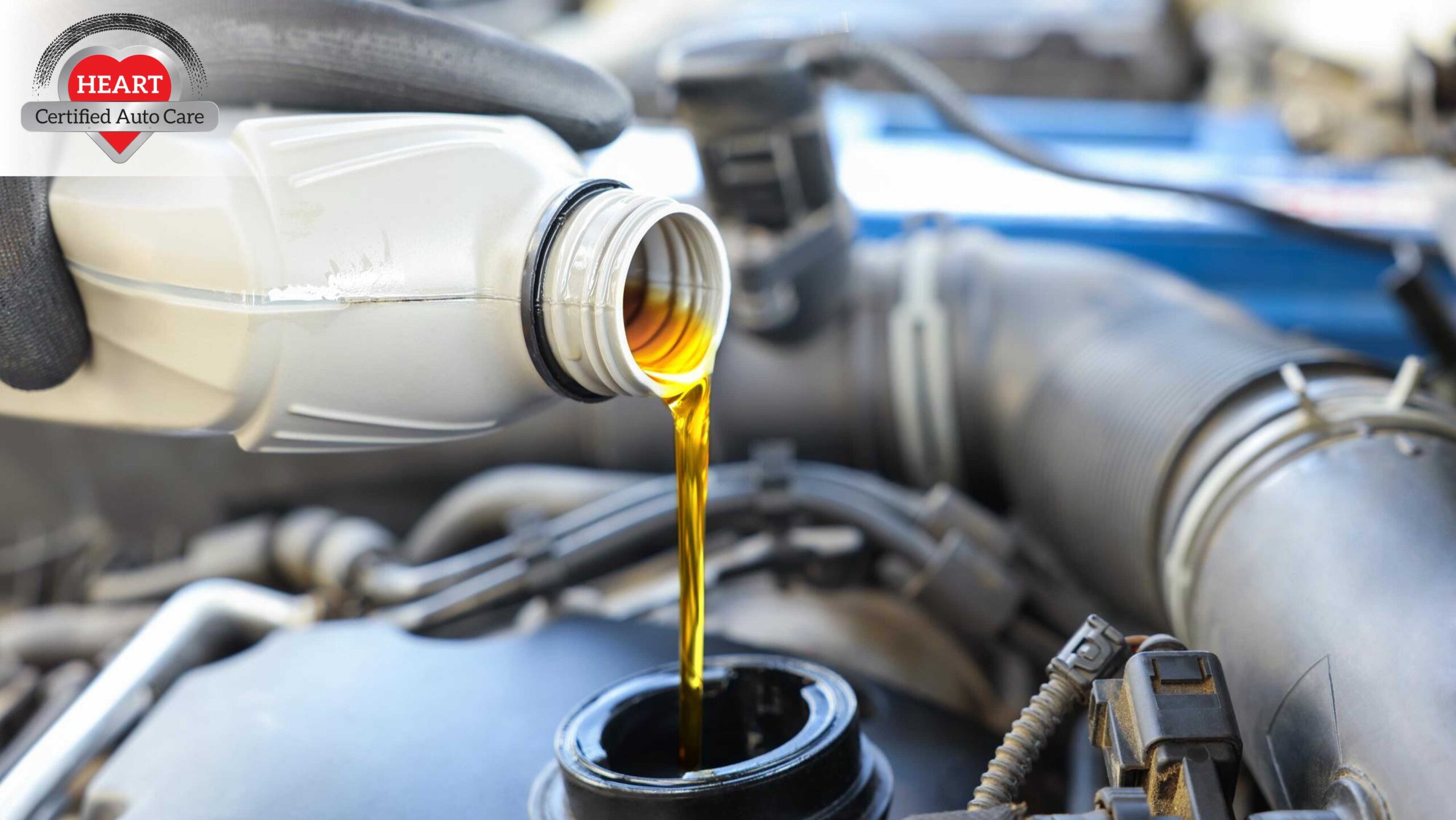
If you have been wondering when to change oil in Bannockburn, you are not alone. Many local car owners still follow outdated advice that says every vehicle needs an oil change every 3,000 miles. Modern vehicles are built differently, and the right oil change interval depends on your engine, oil type, driving habits, and local weather conditions.
Drivers across Bannockburn and the Chicago North Shore deal with cold winters, short trips, school traffic, and heavy commuting, all of which affect engine oil life. Whether you drive a family SUV, a daily commuter sedan, or your first vehicle, understanding proper oil maintenance can save you from expensive engine repairs later.
At Heart Auto Care Bannockburn, technicians regularly help drivers from Evanston, Wilmette, Northbrook, and Libertyville determine the safest and most cost-effective maintenance schedule for their vehicles.
One of the biggest factors affecting oil life is how you drive every day. A vehicle that spends most of its time on open highways experiences less engine stress than one sitting in traffic during morning commutes.
Drivers in Bannockburn searching for when to change their oil should pay close attention to these local driving conditions.
North Shore driving habits can place additional stress on your engine oil over time. Even newer synthetic oils eventually break down under difficult conditions.
These local conditions explain why many drivers need service sooner than the maximum mileage listed in their owner’s manual.
Understanding real-world driving conditions helps vehicle owners make smarter maintenance decisions instead of relying on outdated rules that may not fit their vehicle.
Many modern vehicles now require synthetic oil because it provides stronger protection, especially during temperature swings common across Illinois.
Drivers often ask how often to change synthetic oil because manufacturer recommendations vary widely by vehicle.
Most modern vehicles using full synthetic oil can safely operate longer between services than older engines using conventional oil.
According to industry service data, synthetic oil performs better in extreme temperatures and reduces engine wear compared to conventional oil.
Drivers asking how often to change synthetic oil should always balance mileage with real driving conditions. A commuter driving daily through Northbrook traffic may need service earlier than someone driving long highway distances.
Mileage alone does not always tell the full story. Your vehicle often gives warning signs when the oil begins losing effectiveness.
If you are unsure about when to change oil in Bannockburn, these symptoms should never be ignored.
Even modern engines can develop problems quickly when oil becomes dirty or degraded.
These signs are especially important for first-time vehicle owners who may not yet recognize early maintenance issues.
Routine inspections during every oil change service in Bannockburn IL, can help catch leaks, worn belts, or fluid issues before they become major repairs.
Staying proactive with maintenance is one of the easiest ways to extend engine life and avoid unexpected breakdowns.
Many drivers assume oil service only involves draining old oil and replacing a filter. A professional inspection provides much greater value.
A quality oil change service in Bannockburn, IL should include several preventive maintenance checks that improve vehicle reliability.


Experienced technicians use oil service visits as an opportunity to evaluate the vehicle’s overall condition.
Drivers throughout Wilmette and Libertyville often discover small maintenance problems during routine service appointments before they turn into expensive repairs.
Professional inspections also help maintain warranty compliance for newer vehicles.
Oil changes are only one part of responsible vehicle ownership. Smart preventative maintenance keeps your vehicle safer, more reliable, and less expensive to own over time.
Drivers in Bannockburn should follow a comprehensive maintenance strategy rather than wait for dashboard warning lights.
Small maintenance decisions today can prevent major repair bills later.
Drivers practicing consistent car maintenance in Bannockburn habits usually experience fewer emergency repairs and better long-term reliability.
Routine maintenance also protects resale value, which matters for families planning future vehicle upgrades.
SUVs remain extremely popular across the North Shore because they handle winter weather and family travels well. However, larger vehicles often place more stress on engine oil.
Understanding how often to change synthetic oil is especially important for SUV owners who regularly carry passengers, cargo, or sports equipment.
Several factors influence oil life in larger vehicles.
SUV owners scheduling regular synthetic oil change in North Shore, IL, often experience fewer long-term engine issues and smoother vehicle performance.
Following proper maintenance intervals protects both fuel efficiency and engine longevity.

Regular oil changes help protect your engine, improve fuel efficiency, and reduce the chance of costly repairs. Knowing when to change oil in Bannockburn is especially important for drivers who deal with traffic, short trips, and changing Illinois weather.
Whether you commute through Evanston, drive from Northbrook, or handle daily errands in Wilmette, routine maintenance keeps your vehicle reliable year-round. Heart Auto Care proudly helps drivers across Libertyville and the North Shore with trusted inspections, synthetic oil change in North Shore IL, and dependable long-term car care.
If your vehicle is due for service, contact Heart Auto Care today to schedule an appointment and keep your car running safely and smoothly.


At HEART Certified Auto Care, we believe auto repair should feel honest, approachable, and stress-free — not confusing or intimidating. We’re not your typical repair shop. We take the time to explain what your car truly needs (and what it doesn’t), so you can make confident decisions without pressure.
Our experienced technicians focus on long-term vehicle health, preventative care, and clear communication. Whether you’re stopping in for routine maintenance or unexpected repairs, you’ll always be treated like family — with respect, transparency, and genuine care for your safety on the road.
With multiple convenient locations, HEART Certified Auto Care proudly serves drivers throughout Chicago’s North Shore and surrounding suburbs, providing dependable auto repair you can trust year after year.
Proudly Serving Local Communities Including:
Looking for dependable auto repair near you? Schedule an appointment with HEART Certified Auto Care today and experience the difference of local service done right.




Servicing Your Vehicle Has Never Been Easier
3 Year Warranty

Free Loaner Cars

98% Same Day Service

Transparent Pricing

Finance Options

Certified Technicians

Free Digital Inspection