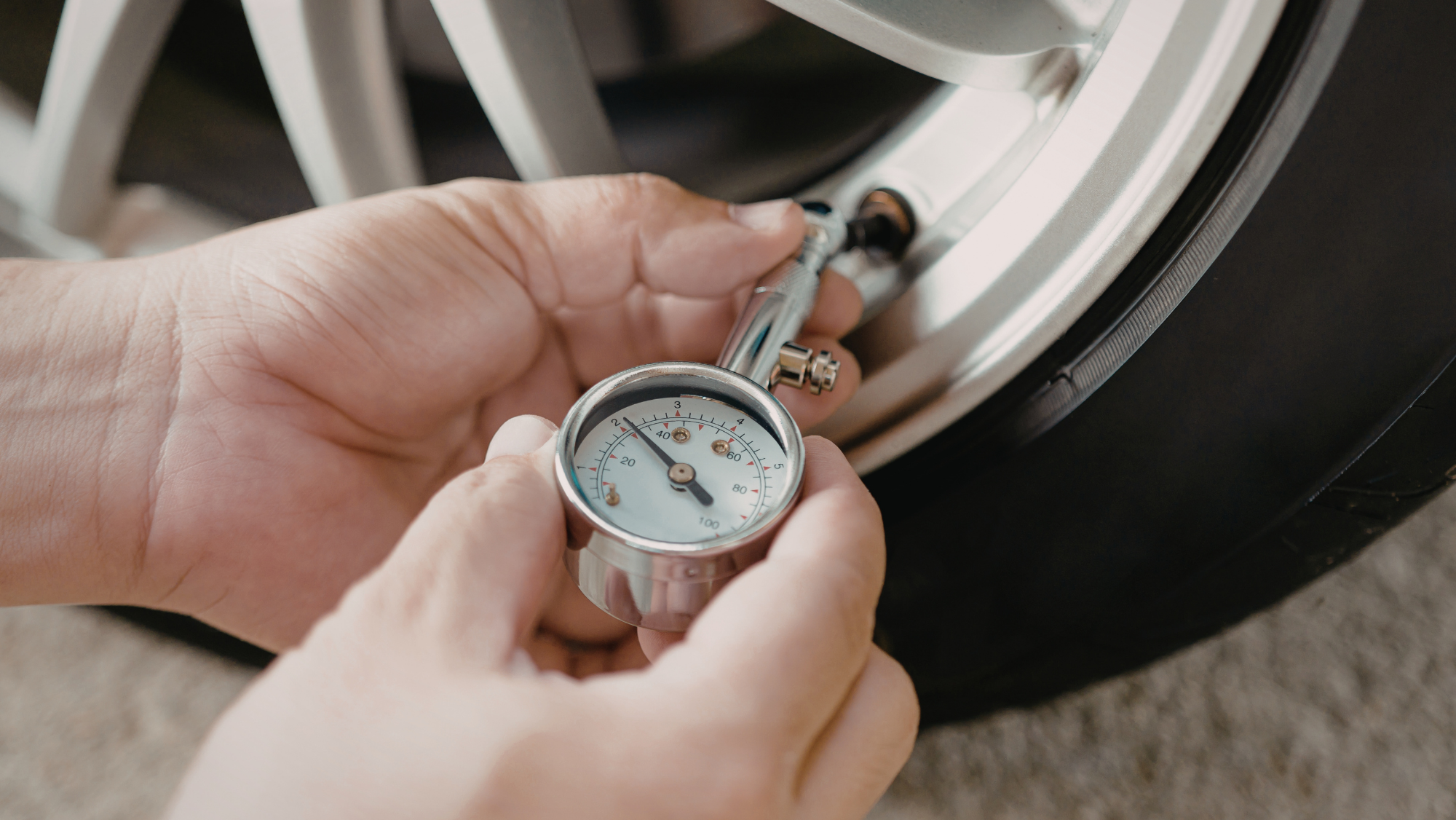
Your tires have a big impact on how safely your car accelerates, brakes, and stays in control. Even a small drop in air pressure can affect your stability, traction, and fuel economy. That’s why modern vehicles use a Tire Pressure Monitoring System (TPMS) to alert you before low tire pressure becomes a real problem.
If you’ve ever noticed the little dashboard light that looks like a horseshoe with an exclamation point, that’s your TPMS warning. And it’s one you don’t want to ignore.
In this guide, we’ll break down how TPMS works, the signs that a sensor might be failing, how long these sensors typically last, and when it’s time to bring your car to Heart Certified Auto Care.
Why TPMS Matters for Safe, Reliable Driving
TPMS has been standard on all cars sold in the U.S. since 2008. The rule came after federal data showed that tons of drivers were unknowingly driving with low tire pressure, which led to blowouts, accidents, and tire problems that could’ve been avoided.
Here’s why TPMS really matters:
Prevents Dangerous Underinflation
Driving on a tire that’s even
5–10 PSI low can weaken the sidewall, make the tire run hotter, and seriously increase your chances of a blowout. TPMS gives you an early warning so you can fix the problem before it becomes unsafe.
Maintains Stable Handling and Braking
Proper tire pressure keeps your tires gripping the road the way they should. When the pressure gets low, you start to lose steering response, traction, and stopping power, and it’s even more noticeable in winter weather.
Improves Fuel Efficiency
Underinflated tires create more resistance when you drive, and even one low tire can cut your fuel economy by 10–15%. Your TPMS helps you keep the right pressure so you don’t burn extra fuel for no reason.
Extends Tire Life
Low tire pressure leads to uneven wear, early bald spots, and even damage inside the tire. The faster you catch it, the longer your tires will last.
Enhances Everyday Convenience
You don’t have to check your tire pressure every week, your TPMS keeps an eye on it for you in real time.
Bottom line: it helps keep you safe, protects your tires, and saves you money.
How TPMS Works: Direct vs. Indirect Systems
Your car uses one of two types of TPMS: direct or indirect. They work in different ways, but both are designed to alert you when your tire pressure gets too low to be safe.
Direct TPMS Sensors
Direct TPMS is the most common system used today. Each wheel has a pressure sensor built into the rim or valve stem, and that sensor reads your tire’s air pressure in real time. It then sends the info straight to your car’s computer.
Advantages of Direct TPMS:
- Highest accuracy
- Precise pressure readings for each tire
- Real-time monitoring at all speeds
- You know exactly which tire needs attention
Direct sensors have internal batteries that usually last 5–10 years. When they fail, the sensor needs to be replaced.
Indirect TPMS Sensors
Indirect systems don’t use actual pressure sensors. They rely on the ABS wheel-speed sensors instead. When a tire starts losing air, its diameter gets a little smaller and it spins a bit faster. The system picks up that change and turns on the TPMS light.
Advantages of Indirect TPMS:
- Lower cost
- Sensors not located inside the tire
Disadvantages:
- Less accurate
- No pressure numbers shown on screen
- Needs recalibration after tire rotations
Most newer vehicles use direct TPMS because of its accuracy and reliability.
Signs of a Faulty TPMS Sensor
Your TPMS can act up too, especially as the sensors get older. Here are the most common signs that one or more of those sensors are starting to fail:
- TPMS Light Stays on After Filling Your Tires: This usually indicates a dead sensor battery or sensor communication issue.
- TPMS Light Flashes for 30–60 Seconds at Startup: This is the clearest sign of a failing sensor.
- Inconsistent or Incorrect Pressure Readings: If the readings don’t match a manual gauge, the sensor may be malfunctioning.
- Slow or No Updates to Pressure Levels: Direct TPMS should update frequently. A delay often means the sensor is nearing failure.
- Recent Tire Service Leads to a TPMS Fault: Sensors can be damaged during tire work if not handled carefully.
If you notice any of these, your TPMS system needs diagnostic testing right away.
When You Should Get TPMS Repair or Replacement
TPMS is not a system you want to ignore. If you experience any of the following, it’s time to schedule diagnostics:
- The TPMS light won’t turn off
- A sensor battery is dead
- You recently installed new tires or wheels
- Pressure readings are inaccurate
- The light flashes every time you start the vehicle
- You’re getting mixed or inconsistent warnings
Most vehicles require TPMS sensor replacement every 5–10 years. If multiple sensors are aging, replacing them all at once is often more cost-effective.
Schedule TPMS Service at Heart Certified Auto Care
Your TPMS is an important safety feature, and when something feels off, a warning light, pressure readings that don’t seem right, or issues after a tire service, it’s best to get it checked by a professional.
Heart Certified Auto Care offers quick, honest, and accurate TPMS diagnostics, repairs, and sensor replacements for drivers in Evanston, Northbrook, and Wilmette. Our certified mechanics make sure everything works the way it should, so you can get back on the road with confidence.
Schedule your TPMS service today:
Drive safer, protect your tires, and get your TPMS working accurately again with service you can trust right here in the neighborhood.