


3 Year Warranty


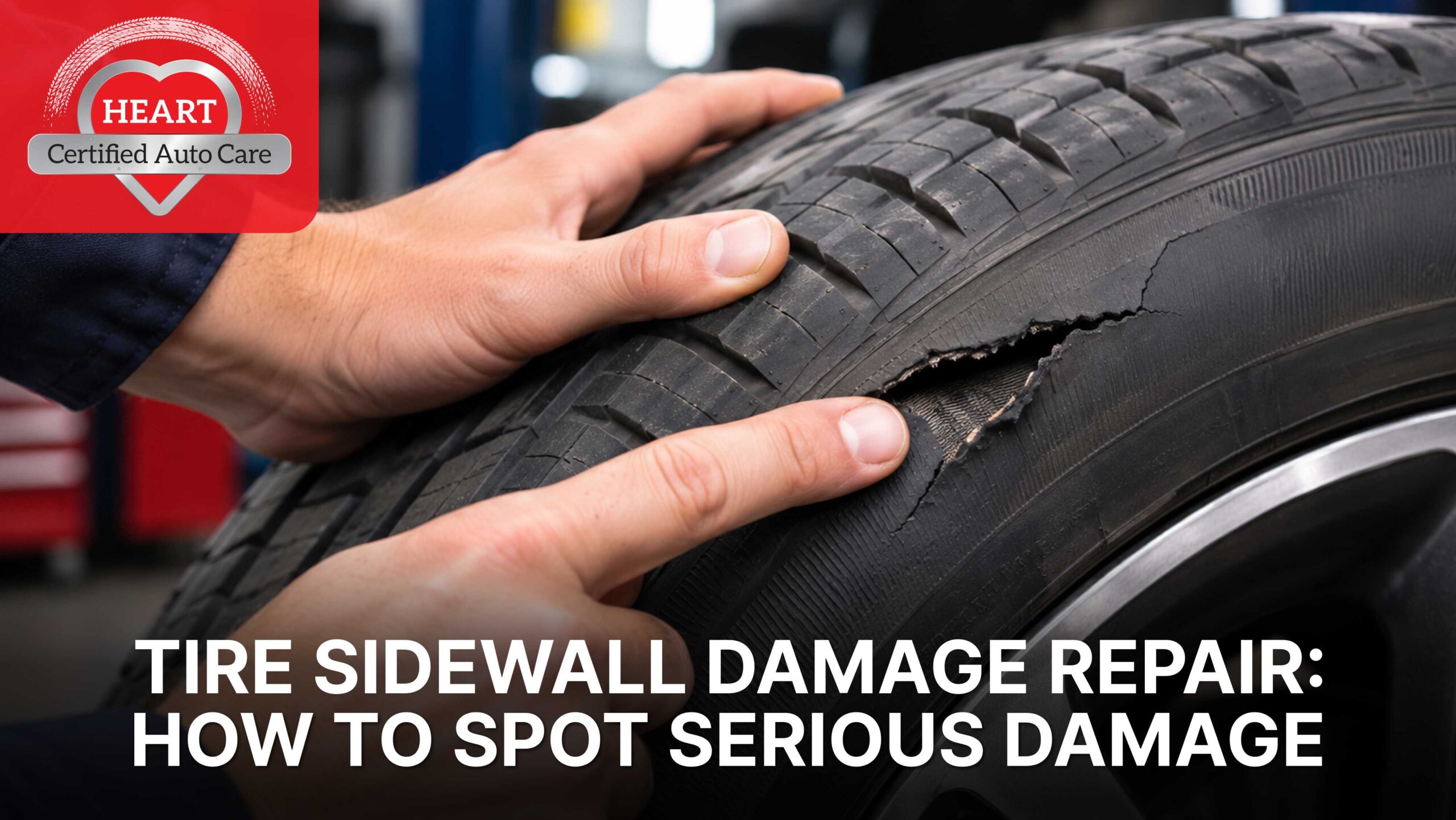
A scrape against a curb or a hard hit from a pothole can leave a mark on your tire. Some marks affect only the surface, while others signal internal damage that can cause sudden tire failure. Knowing the difference helps you make safer decisions before your next commute.
When it comes to tire sidewall damage repair, the most important question is whether the tire can still support your vehicle safely. In most cases, a cut, puncture, or bulge in the sidewall calls for replacement rather than repair. Drivers in Evanston, Wilmette, Northbrook, and Libertyville can benefit from a professional tire inspection when damage is difficult to assess at home.
Tire sidewall damage repair refers to attempts to restore a damaged area on the outer wall of a tire, between the tread and the wheel rim. However, the sidewall plays a structural role in supporting the vehicle, maintaining tire shape, and absorbing road impacts.
Unlike many punctures in the central tread area, sidewall cuts and punctures generally cannot be repaired safely. The U.S. Tire Manufacturers Association recommends limiting standard passenger and light-truck tire puncture repairs to eligible damage in the tread area, with punctures no larger than 1/4 inch (6 mm). The tire must also be removed from the wheel for a complete internal inspection. Source: USTMA Tire Repair Basics
This distinction matters because a tire can look acceptable from the outside while suffering internal structural damage. A qualified technician can assess the condition and recommend a safe next step.
You do not need specialized equipment to notice many visible warning signs. Check your tires periodically in a well-lit area, looking at both the inner and outer sidewalls when safely accessible. Never crawl under a vehicle or reach into a dangerous position to inspect a tire.
A raised lump or bubble is one of the clearest signs of serious damage. It can indicate that the tire’s internal cords have broken, allowing air to push outward between the tire’s layers.
A tire sidewall bulge may appear after hitting a pothole, striking a curb, or driving over a sharp road hazard. Even if the tire holds air, its internal structure may be compromised.
What to do: Stop driving as soon as you can pull over safely. Do not press on the bulge, try to flatten it, or attempt a patch. Arrange a suitable spare tire installation or roadside assistance.
A cut in the sidewall can range from a shallow scrape to an opening that reaches the tire’s reinforcing cords. The outer rubber may hide the true depth, so visual inspection alone cannot always establish whether the tire remains safe.
A deep cut, exposed cords, or a tear that appears to penetrate the tire requires immediate attention. Do not assume a small opening is harmless simply because air is not escaping.
What to do: Avoid driving on the damaged tire until a professional has assessed it. If the cut compromises the structure, replacement is generally necessary.
Nails, screws, glass, and other sharp objects can puncture the sidewall. The object may remain embedded, or it may fall out and leave a small hole that is difficult to see.
Unlike an eligible puncture in the center of the tread, a sidewall puncture generally cannot be sealed safely with a conventional plug or patch. The sidewall flexes under load, which places repeated stress on any attempted repair.
What to do: Do not pull out an embedded object or use a plug kit as a permanent solution. Have the tire inspected and replaced when necessary.
Fine surface cracks can develop as tires age and the rubber experiences exposure to sunlight, ozone, and changing temperatures. However, numerous cracks, deep splits, or cracking near the bead where the tire meets the wheel can indicate deterioration.
Pay attention to tires that spend long periods outdoors or have been in service for several years. A tire can have plenty of tread remaining while its rubber and internal components deteriorate.
What to do: Ask a tire professional to evaluate the depth and extent of the cracking. Deep or extensive deterioration may require replacement even when tread wear appears minimal.
The inside-facing sidewall can suffer damage after a pothole impact or contact with road debris. Because this area is harder to see during a routine walk-around, a driver may miss the problem entirely.
Check for visible damage from a safe position, but do not put yourself at risk to inspect the inner sidewall. Unusual vibrations, pressure loss, or a sudden change in handling after an impact are reasons to arrange an inspection.
What to do: Have the tire and wheel checked if you suspect hidden damage. An inspection may also reveal wheel or suspension problems caused by the same impact.


In most cases, no. A damaged sidewall cannot be restored to its original structural condition through an ordinary tire plug or patch. Replacement is generally the appropriate solution for sidewall punctures, structural cuts, and bulges.
There is an important difference between cosmetic damage and structural damage. A light surface scuff that does not penetrate the rubber may not require replacement, but a driver cannot reliably determine the depth of every cut from its appearance alone.
Consider these examples:
Some tire types and manufacturers have specific service policies, so follow the guidance for your exact tire. However, do not treat a claimed exception as permission to drive on a damaged tire. A qualified tire professional should verify the manufacturer’s requirements.
Knowing when to replace a damaged tire helps you avoid taking unnecessary risks. The following warning signs call for prompt professional assessment and, in many cases, replacement.
Do not rely on tread depth alone when evaluating tire safety. A tire with substantial tread remaining may still be unsafe because of structural damage.
When replacing a tire, ask the technician to check the remaining tires, wheel condition, and suspension if the damage followed a hard impact. Depending on the vehicle and tire condition, replacing one tire may also affect tread matching and handling, especially on all-wheel-drive vehicles.
Your next steps depend on the severity of the damage and whether the tire is losing air. Use the following process to protect yourself and your passengers.
Do not inflate a visibly compromised tire to see if it holds air. Do not rely on tire sealant, glue, or an emergency plug to make a damaged sidewall safe for regular driving.
If you are unsure whether the tire is safe, choose the option that avoids driving on it. A tow or roadside service can be inconvenient, but it is preferable to risking a tire failure in traffic.
Understanding common causes can help you reduce the risk of future damage. Sidewall problems often develop after an impact, although age and maintenance also play a role.
SUV drivers should pay particular attention to potholes and curb impacts. A heavier vehicle can place substantial loads on its tires, although the severity of damage also depends on speed, tire pressure, wheel design, and the nature of the impact.
Proper inflation, careful driving, and regular inspections help reduce risk. Check tire pressure when the tires are cold and follow the pressure listed on the vehicle’s door-jamb label or in the owner’s manual, rather than the maximum pressure printed on the tire.
The cost depends on the damage, tire size, vehicle requirements, and whether related components need attention. Since most structural sidewall damage calls for replacement, it is usually more useful to request a tire replacement estimate than to look for a sidewall patch price.
Your estimate may include:
Ask for an itemized estimate and an explanation of any recommended work. If you drive an all-wheel-drive vehicle, ask whether the replacement tire’s tread depth must match the other tires or whether additional replacement is recommended under the manufacturer’s specifications.
Avoid choosing a repair solely because it is cheaper. An unsafe repair can fail unexpectedly, and a replacement estimate gives you a clearer picture of the cost of restoring safe driving conditions.
You cannot avoid every road hazard, but a few habits can help protect your tires and reduce unexpected expenses.
A quick walk-around before a long drive is especially useful for families who rely on one vehicle for school runs, commuting, and errands. If you recently hit a pothole or curb hard enough to notice an impact, arrange an inspection even if the tire still appears inflated.

When you notice tire damage, an informed inspection can help you understand the problem and make a safer decision. Do not wait for a small-looking cut to develop into a larger issue, especially if your vehicle has recently hit a pothole or curb.
HEART Certified Auto Care provides tire services and inspections for drivers in Evanston, Wilmette, Northbrook, and Libertyville. The team can assess visible tire concerns, explain its findings, and discuss replacement options when a tire is no longer safe to use.
If you have noticed a sidewall bulge, cut, crack, or puncture, schedule a tire inspection at heartautocare.com. Choose the HEART Certified Auto Care location that works best for you in Evanston, Wilmette, Northbrook, or Libertyville.
A professional assessment can help you understand the condition of your tires, identify related damage, and make a more informed decision before returning to the road.


At HEART Certified Auto Care, we believe auto repair should feel honest, approachable, and stress-free — not confusing or intimidating. We’re not your typical repair shop. We take the time to explain what your car truly needs (and what it doesn’t), so you can make confident decisions without pressure.
Our experienced technicians focus on long-term vehicle health, preventative care, and clear communication. Whether you’re stopping in for routine maintenance or unexpected repairs, you’ll always be treated like family — with respect, transparency, and genuine care for your safety on the road.
With multiple convenient locations, HEART Certified Auto Care proudly serves drivers throughout Chicago’s North Shore and surrounding suburbs, providing dependable auto repair you can trust year after year.
Proudly Serving Local Communities Including:
Looking for dependable auto repair near you? Schedule an appointment with HEART Certified Auto Care today and experience the difference of local service done right.





Servicing Your Vehicle Has Never Been Easier
3 Year Warranty

Free Loaner Cars

98% Same Day Service

Transparent Pricing

Finance Options

Certified Technicians

Free Digital Inspection