



3 Year Warranty
When your brake pedal suddenly feels soft or spongy, it can be alarming. Most drivers in Libertyville IL expect their brakes to feel firm and responsive every time they press the pedal. When that feeling changes, your vehicle is warning you that something inside the braking system needs attention.
A soft brake pedal is not a minor inconvenience. It often signals a hydraulic issue that can affect stopping distance and overall vehicle safety. According to brake industry service data, air in the brake lines and fluid leaks remain two of the most common causes of brake pedal failure in modern vehicles.
At HEART Certified Auto Care, drivers throughout Libertyville, Evanston, Wilmette, and Northbrook regularly bring in vehicles experiencing brake pedal problems. Whether you drive a compact sedan, a family SUV, or a daily commuter vehicle, understanding the warning signs early can help prevent costly repairs and dangerous driving conditions.
A soft brake pedal indicates that the hydraulic pressure in your brake system is not building properly. Normally, brake fluid transfers force from your foot to the braking components at each wheel. When something disrupts that pressure, the pedal may feel mushy, spongy, or sink closer to the floor.
Drivers searching for soft brake pedal repair in Libertyville IL often describe symptoms like:
These symptoms should never be ignored. In many cases, the problem starts small but can quickly escalate.
A professional inspection from HEART Certified Auto Care can determine whether the issue is related to fluid pressure, brake components, or internal hydraulic failure.
Air inside the hydraulic brake system is one of the leading causes of a spongy brake pedal. Brake fluid is designed to remain incompressible, but air compresses easily. That creates the soft feeling drivers notice when pressing the pedal.
Drivers looking for brake pedal feels soft in Libertyville IL often experience this issue after:
If your brake pedal firms up temporarily after several pumps, air in the brake lines is highly likely. That symptom is one of the clearest indicators technicians look for during diagnosis.
Illinois weather also plays a role. Rapid temperature swings in Libertyville can increase moisture contamination in brake fluid over time, especially in older vehicles.
After proper brake bleeding and inspection, most vehicles regain normal pedal feel quickly. However, identifying why air entered the system matters just as much as removing it.
Brake fluid leaks are another serious cause of brake pedal problems. Even a small leak reduces hydraulic pressure and weakens braking performance.
Many drivers searching for spongy brake pedal service in Libertyville IL are surprised to learn that leaks may not always leave obvious puddles under the vehicle.
Common leak locations include:
Road salt exposure in Libertyville and nearby Northbrook contributes heavily to brake line corrosion during Illinois winters. Technicians at HEART Certified Auto Care often inspect brake lines closely on vehicles over seven years old because corrosion-related leaks become more common with age.
If you notice fluid spots near the wheels, reduced braking response, or a brake warning light, schedule an inspection immediately.
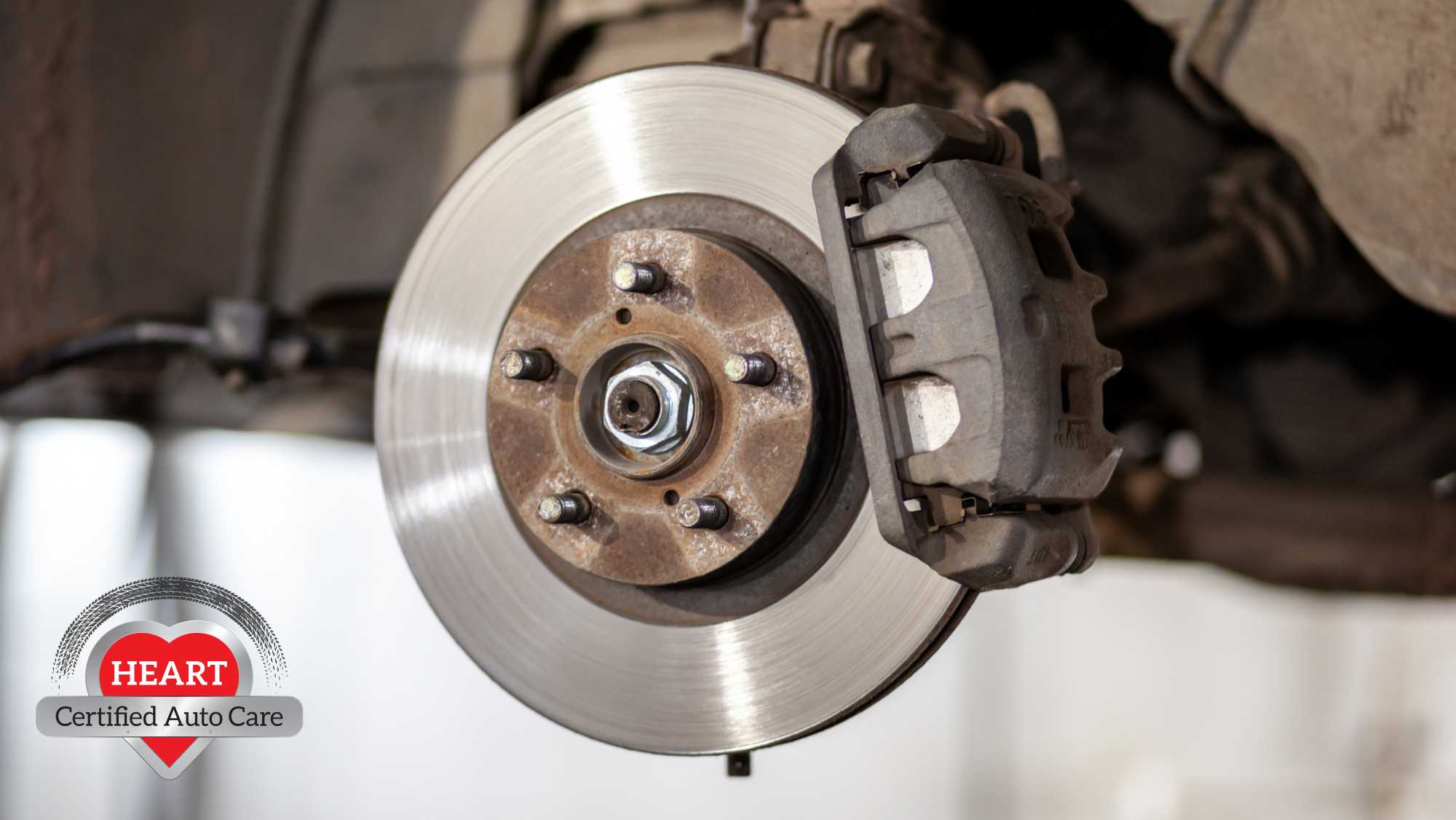
The master cylinder is the heart of your brake system. When you press the brake pedal, the master cylinder creates hydraulic pressure that activates the brakes.
A failing master cylinder can cause the pedal to slowly sink while stopped at traffic lights or feel inconsistent during driving.
Drivers searching for brake inspection in Libertyville IL often report these warning signs:
Unlike external leaks, master cylinder failures can happen internally, meaning fluid bypasses worn seals inside the component. This makes professional testing especially important.
At HEART Certified Auto Care, technicians use hydraulic pressure testing and brake inspections to verify whether the master cylinder is operating properly before recommending replacement.
Although worn pads alone do not usually create a truly soft pedal, heavily worn brake components can still contribute to poor pedal feel and reduced braking confidence.
Drivers looking for soft brake pedal causes in Libertyville IL should know that multiple worn components may work together to create symptoms.
Common wear-related issues include:
SUV drivers and families in Libertyville often experience faster brake wear because heavier vehicles place greater stress on braking systems.
Regular brake inspections help identify these problems before they lead to larger hydraulic issues.
Proper tire condition improves safety, fuel economy, and overall vehicle handling.


Many drivers continue driving for days or weeks after noticing a soft pedal. Unfortunately, brake problems rarely improve on their own.
For local car owners and first-time vehicle owners, it is important to understand the risks involved.
Heavy suburban traffic around Libertyville, Northbrook, and Evanston makes reliable braking essential during daily commuting.
Winter driving conditions throughout Illinois add another layer of concern. Snow, ice, and wet roads already reduce traction, and weak brakes only increase stopping distance further.
Even if the brakes still appear functional, a soft pedal should always be inspected quickly by a qualified technician.
Modern brake diagnostics involve much more than simply replacing brake pads. Professional technicians inspect the entire hydraulic system to pinpoint the exact cause.
Drivers searching for car brake repair in Libertyville IL often benefit from a complete inspection process that includes:
At HEART Certified Auto Care, technicians focus on accurate diagnosis first. That approach helps drivers avoid unnecessary repairs while ensuring the actual issue gets corrected properly.
Professional inspections are especially important because multiple brake problems can exist at the same time.
Brake issues cannot always be avoided entirely, but routine maintenance dramatically reduces the chances of sudden hydraulic failure.
Drivers searching for soft brake pedal repair in Libertyville IL can lower future repair risks with preventive care.
Brake fluid absorbs moisture over time, especially in humid or snowy climates like northern Illinois. That moisture lowers boiling points and contributes to internal corrosion.
Routine maintenance helps protect expensive components such as ABS modules, calipers, and master cylinders.
Certain brake symptoms indicate serious danger and should never be ignored.
Stop driving and seek immediate inspection if you experience:
These warning signs may indicate severe hydraulic failure that can compromise vehicle safety immediately.
Drivers throughout Libertyville, Wilmette, and Evanston should treat brake system warnings as urgent safety concerns rather than routine maintenance issues.
A sudden soft brake pedal often points to a brake fluid leak, air entering the brake lines, or master cylinder failure. Immediate inspection is recommended because braking performance may worsen quickly.
Cold weather itself usually does not directly cause a soft pedal, but Illinois winters contribute to brake line corrosion, moisture buildup in brake fluid, and increased wear on hydraulic components.
No. A spongy brake pedal means hydraulic pressure is compromised. Your stopping distance may increase unexpectedly, especially during emergency braking situations.
A soft brake pedal is one of the clearest warning signs your vehicle can give you. Whether the issue comes from trapped air, leaking brake fluid, corroded brake lines, or a failing master cylinder, early diagnosis protects both your safety and your wallet.
Drivers throughout Libertyville rely on their vehicles every day for commuting, family transportation, and seasonal travel across northern Illinois. Reliable brakes are essential during busy traffic, wet roads, and winter driving conditions.
At HEART Certified Auto Care, experienced technicians help local drivers identify brake issues accurately and repair them properly the first time. From routine brake inspections to advanced hydraulic diagnostics, the goal is always safe, dependable stopping performance for every vehicle.

If your brake pedal feels soft, spongy, or inconsistent, do not wait for the problem to worsen. Schedule a professional brake inspection with HEART Certified Auto Care today.
Our team proudly serves drivers in Libertyville, Evanston, Wilmette, and Northbrook with trusted brake repair and maintenance services designed to keep your vehicle safe on Illinois roads.
You can also visit our:


At HEART Certified Auto Care, we believe auto repair should feel honest, approachable, and stress-free — not confusing or intimidating. We’re not your typical repair shop. We take the time to explain what your car truly needs (and what it doesn’t), so you can make confident decisions without pressure.
Our experienced technicians focus on long-term vehicle health, preventative care, and clear communication. Whether you’re stopping in for routine maintenance or unexpected repairs, you’ll always be treated like family — with respect, transparency, and genuine care for your safety on the road.
With multiple convenient locations, HEART Certified Auto Care proudly serves drivers throughout Chicago’s North Shore and surrounding suburbs, providing dependable auto repair you can trust year after year.
Proudly Serving Local Communities Including:
Looking for dependable auto repair near you? Schedule an appointment with HEART Certified Auto Care today and experience the difference of local service done right.




Servicing Your Vehicle Has Never Been Easier
3 Year Warranty

Free Loaner Cars

98% Same Day Service

Transparent Pricing

Finance Options

Certified Technicians

Free Digital Inspection