


3 Year Warranty
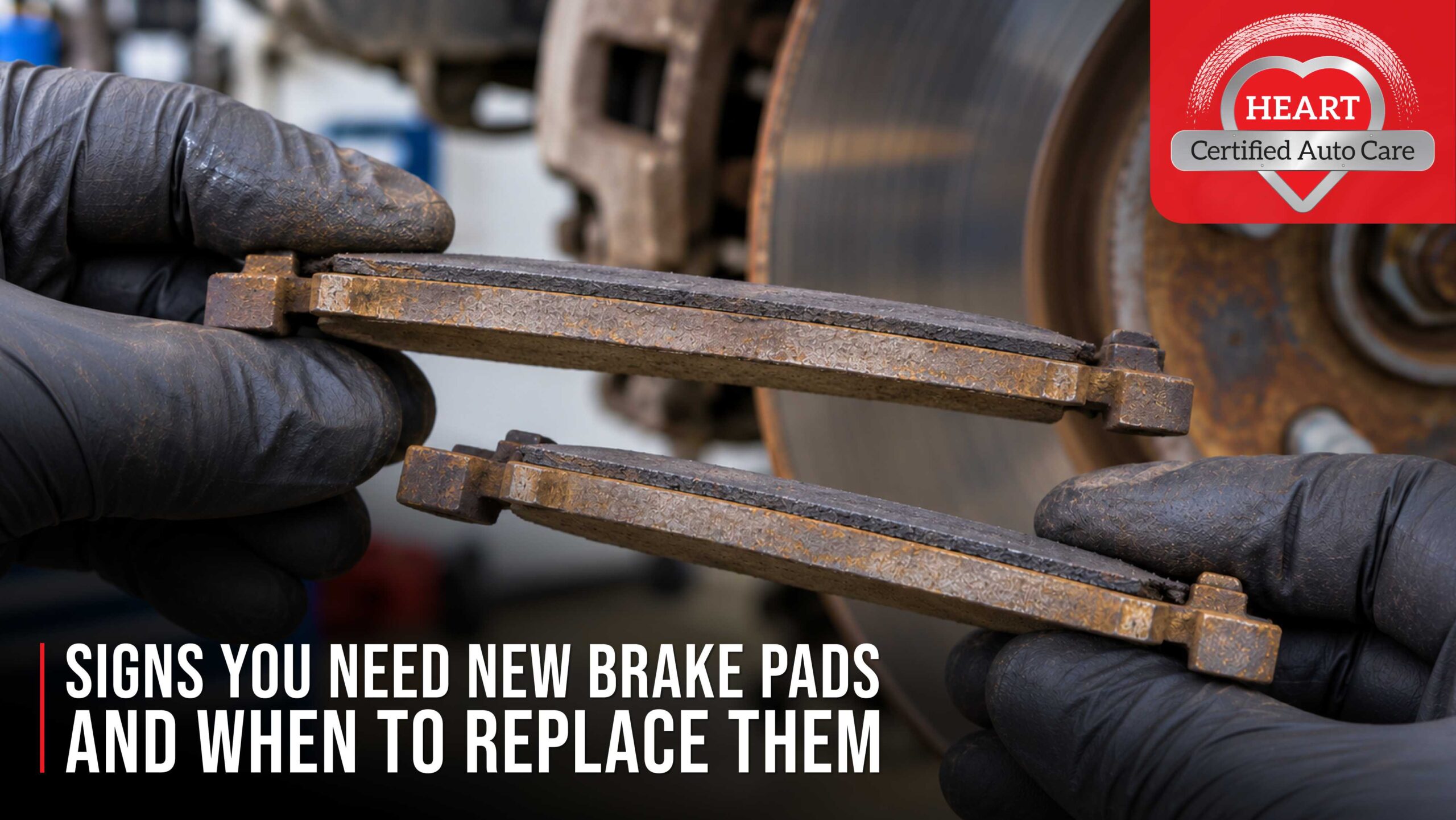
Your brakes help you react to sudden stops, slow down in traffic, and maintain control on the road. Over time, the friction material on your brake pads wears down, reducing their ability to stop your vehicle effectively. Recognizing the signs you need new brake pads can help you address wear before it damages other components or compromises your safety.
For car owners and SUV drivers in Evanston, Wilmette, Northbrook, and Libertyville, paying attention to brake performance is especially important during daily commutes, stop-and-go traffic, and frequent short trips. Knowing which symptoms to watch for can help you decide when to schedule an inspection and when driving may no longer be safe.
Brake pads press against the rotors when you apply the brake pedal, creating friction that slows your wheels. As the friction material wears down, your braking system may produce noticeable changes in sound, feel, and performance.
The following brake pad wear symptoms can help you recognize when your vehicle needs attention.
A persistent squeal when pressing the brake pedal is one of the most recognizable signs of worn brake pads. Many pads have a small metal wear indicator that produces a high-pitched sound when the friction material becomes thin.
Pay attention to when the noise occurs. For example, if you hear a squeal every time you slow down at an intersection, the pads may be approaching their replacement point.
However, not every squeak means the pads are worn out. Moisture, surface rust, dust, and certain pad materials can also cause temporary noise.
What to do: Schedule a brake inspection if the sound keeps returning. Addressing the problem early may help prevent damage to the rotors and other components.
A harsh metallic grinding sound deserves immediate attention. It can indicate that the brake pads have worn through their friction material, allowing the metal backing plates to contact the rotors.
This metal-on-metal contact can damage the rotor surfaces and increase repair costs. It may also compromise braking performance.
For example, if your SUV starts making a deep grinding noise when stopping at a traffic light, do not assume the sound will disappear on its own.
What to do: Stop driving as soon as you can do so safely and arrange professional assistance. Avoid driving the vehicle to a repair shop if grinding is accompanied by reduced braking power or other serious symptoms. Towing is the safer option.
Have you noticed that your car needs more distance to stop at a familiar intersection? Reduced braking performance can be a warning that something needs attention.
Worn pads may contribute to the problem, but longer stopping distances can also result from overheated brakes, contaminated friction surfaces, tire problems, or hydraulic faults.
What to do: Increase your following distance and arrange an inspection promptly. If stopping ability has deteriorated significantly, do not continue driving.
Changes in pedal feel can reveal problems within the braking system. Although worn pads may affect braking performance, a soft pedal or one that sinks toward the floor can indicate a hydraulic problem.
Watch for these changes:
What to do: Do not assume a pedal change means you only need new pads. If the pedal sinks, braking becomes difficult, or the vehicle cannot stop normally, pull over safely and arrange a tow.
Vibrations while braking may point to a problem with the rotors or other components. Uneven rotor thickness, excessive runout, worn suspension parts, or loose components can cause shaking or pulsation.
The location of the vibration can offer clues. A steering wheel that shakes during braking may indicate a problem affecting the front brakes or related components, while pedal pulsation can occur with rotor irregularities.
What to do: Have the entire braking system inspected instead of replacing pads based on symptoms alone. A proper diagnosis helps identify the component responsible for the vibration.
A visual check may reveal signs of worn brake pads before you notice a change in stopping performance.
On some vehicles, you can see the pad material through the wheel spokes. The friction material sits between the metal backing plate and the brake rotor.
If the material looks very thin, uneven, or nearly gone, arrange a professional inspection. A technician can measure the remaining thickness and compare it with the vehicle manufacturer’s specifications.
What to do: Avoid relying on appearance alone. Inner pads can wear faster than outer pads, and some components are difficult to inspect without removing the wheel. A qualified technician can check all pads and identify uneven wear.
Some modern vehicles have electronic brake pad wear sensors that alert the driver when the pads reach a specified wear level. Other dashboard warnings relate to brake fluid, the parking brake, or a fault elsewhere in the braking system.
Check your owner’s manual to identify the warning displayed on your dashboard. A red brake warning light, particularly when the parking brake is released, may indicate a serious problem.
What to do: Do not ignore a brake warning. If it appears alongside a soft pedal, fluid leakage, or reduced stopping power, stop safely and arrange assistance. Even when the vehicle seems to brake normally, have the warning investigated promptly.
There is no single mileage that applies to every vehicle. Many brake pads last approximately 20,000 to 40,000 miles, although some last considerably longer depending on the vehicle, pad material, driving habits, and road conditions. AAA also notes that brake life varies with usage and environmental factors.
Rather than waiting for a specific odometer reading, use these guidelines to determine when to arrange service.
Remember that a vehicle can have worn brake pads even when no warning sound or dashboard light appears. Regular inspections provide a more reliable assessment than waiting for obvious symptoms.


Brake pad life depends on how and where you drive. Two vehicles of the same model can need replacements at different times because their owners use the brakes differently.
These factors can affect how quickly the pads wear.
Your driving routine matters as much as mileage. A driver who regularly commutes through busy suburban traffic may need brake service sooner than someone who spends most of their time on open highways.
Driving with worn brake pads can become dangerous as the friction material gets thinner. Continued use can also damage the rotors and lead to more extensive repairs.
The right response depends on the symptoms.
Do not test questionable brakes by making sudden stops or driving at higher speeds. If you are unsure whether the vehicle can stop safely, have it transported to a repair facility.
A professional inspection helps determine whether the pads need replacement and whether other components require attention.
At HEART Certified Auto Care, a brake service visit can help identify the source of a noise, vibration, or change in braking performance.
A thorough inspection may include the following checks:
After the inspection, ask the technician to explain which components need attention and why. A clear explanation helps you understand the urgency of the repair and make an informed decision.
Good driving habits and routine maintenance can help reduce unnecessary brake wear. They cannot prevent normal wear entirely, but they may help you get more service life from your pads.
Try these practical habits.
These habits are especially helpful for SUV drivers and commuters who encounter frequent stops. However, never sacrifice safe stopping distance to reduce brake wear.

Paying attention to brake noises, changes in pedal feel, vibrations, and dashboard warnings can help you catch problems early. If you notice any of these signs, arrange an inspection instead of waiting for the symptoms to become more severe.
HEART Certified Auto Care provides brake repair and inspection services to help drivers understand their vehicle’s condition and make informed maintenance decisions. Its locations offer a free 33-point digital inspection with service, along with transparent pricing and a 3-year/36,000-mile warranty on eligible repairs.
If you have noticed squealing, grinding, or changes in stopping performance, schedule an appointment with HEART Certified Auto Care. Drivers can visit the Evanston, Wilmette, Northbrook, or Libertyville location for professional vehicle service.
Visit https://heartautocare.com/locations/ to find a convenient shop and book an appointment. Addressing brake concerns early can help protect your braking system and give you greater confidence on the road.


At HEART Certified Auto Care, we believe auto repair should feel honest, approachable, and stress-free — not confusing or intimidating. We’re not your typical repair shop. We take the time to explain what your car truly needs (and what it doesn’t), so you can make confident decisions without pressure.
Our experienced technicians focus on long-term vehicle health, preventative care, and clear communication. Whether you’re stopping in for routine maintenance or unexpected repairs, you’ll always be treated like family — with respect, transparency, and genuine care for your safety on the road.
With multiple convenient locations, HEART Certified Auto Care proudly serves drivers throughout Chicago’s North Shore and surrounding suburbs, providing dependable auto repair you can trust year after year.
Proudly Serving Local Communities Including:
Looking for dependable auto repair near you? Schedule an appointment with HEART Certified Auto Care today and experience the difference of local service done right.





Servicing Your Vehicle Has Never Been Easier
3 Year Warranty
Free Loaner Cars

98% Same Day Service

Transparent Pricing

Finance Options

Certified Technicians

Free Digital Inspection