When your brakes start squealing, feel weak, or just don’t respond the way they used to, glazed pads are often to blame. Glazing happens when your brake pads or rotors get too hot, harden, and develop a shiny surface. Once that surface forms, you lose friction, your stopping distance gets longer, and your car becomes a lot less safe to drive.
This guide breaks down what glazed brakes are, the signs to look out for, what causes them, how to fix the issue, and when it’s time to look for brake repair near you.
What Are Glazed Brakes?
Glazing happens when your brake pads or rotors get so hot that the friction material hardens, smooths out, and turns shiny. Instead of grabbing the rotor, the pad just slides across it.
The issue always comes back to heat. Any time the brakes get hotter than they’re meant to, whether from hard stops, long downhill drives, towing, or riding the brakes, glazing can set in.
Once the pads or rotors are glazed, your braking power drops. You’ll need more distance to stop, and you may notice noise, uneven braking, and even unsafe stopping conditions.
How to Spot Glazed Brakes
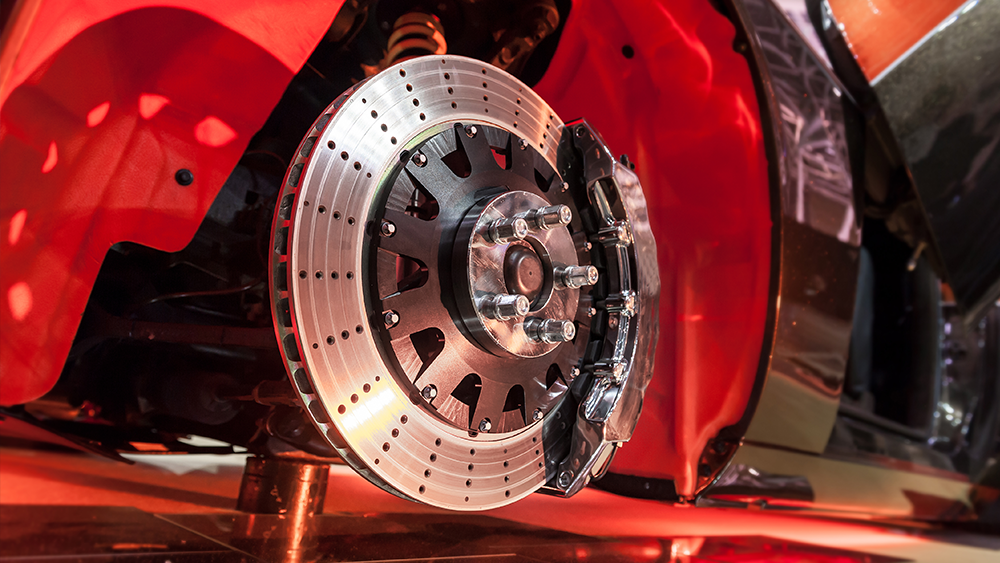
If you took the wheel off and looked at the surface of your brake rotors, glazed parts usually stand out. They look shiny or glass-like, sometimes even a little bluish from too much heat. When you run your hand over them, they feel smooth with almost no texture.
On the other hand, healthy brake rotors have a more matte, gritty finish. That roughness is what creates the friction your car needs to stop.
Glazed Brakes Symptoms
If you’re trying to figure out whether your
brakes are glazed, the symptoms are fairly distinct. The more of these you notice, the more likely glazing is the root issue.
Squealing or Screeching When Braking
A sharp, high-pitched squeal is one of the first signs of glazed pads. The hardened surface vibrates against the rotor, producing constant noise.
Reduced Stopping Power
Because glaze lowers friction, you may notice your vehicle simply doesn’t slow down as quickly as it should. You’re pressing harder for the same result.
Hard Brake Pedal Feel
Glazed pads can feel firm or stiff when you apply the brakes. The pedal may push back more than normal, even though the car isn’t stopping well.
Vibration or Pulsation
If the rotors are glazed, you may feel vibration through the steering wheel or pedal when braking. The uneven surface causes inconsistent contact.
Brakes Smell Burnt After Driving
Overheated brakes often produce a burnt odor. If you smell this along with other symptoms, glazing is likely.
Signs of Glazed Brake Pads vs. Glazed Rotors
Brake pads and rotors can glaze on their own or both at once. The symptoms are similar, but not exactly the same.
Glazed Brake Pads Symptoms
- Persistent squealing
- Hard braking feel
- Reduced stopping power
- Visible glossy/shiny pad surface
Pads usually glaze first because the friction material is softer.
Brake Rotor Glazing Symptoms
- Vibration while braking
- Shimmering or bluish discoloration on rotor surface
- Reduced friction even after pad replacement
- High heat buildup
Rotor glazing often follows pad glazing if the issue goes untreated.
What Causes Glazed Brakes?
Brake glazing happens when parts of your braking system are pushed past what they’re designed to handle. It usually comes from things like:
- Keeping your foot on the brake pedal longer than you really need to
- Slamming on the brakes often
- Driving with too much weight in the vehicle, putting extra strain on the brakes
- Driving fast and braking hard
- Using brake parts that are worn out or poor quality
Over time, the material on your brake pads can harden and get polished down, which means they don’t grip like they should. That cuts your stopping power and raises your risk on the road. And if your
brake warning light has come on, that’s another sign something’s not right.
How to Fix Glazed Brakes
If your brakes are already glazed, the best fix is usually to replace the brake pads, and sometimes the rotors, depending on how bad it is.
In some cases, glazing are minor and can be corrected. Others require replacement.
- Lightly Glazed Pads: Resurfacing Possible: A mechanic may be able to sand the pads to remove the hardened layer. This only works if the glaze is thin.
- Severely Glazed Pads: Replacement Required: If the pad surface is deeply hardened or cracked, you need new pads. Continuing to drive on them will damage the rotors and increase the cost of repair.
- Glazed Rotors Need Resurfacing or Replacement: Rotors that are discolored, uneven, or heavily glazed typically need resurfacing. If they’re too thin or worn, replacement is the safer option.
Tips to Prevent Glazed Brakes
You can avoid glazing by managing heat in the brake system.
- Use engine braking on hills
- Avoid resting your foot on the brake pedal
- Allow brakes to cool between hard stops
- Use high-quality pads
- Keep calipers and hardware serviced
- Schedule regular brake inspections
Can You Drive With Glazed Brakes?
Technically you can. But you shouldn’t.
Glazed brakes:
- Increase stopping distance
- Reduce friction
- Generate heat more quickly
- Can lead to full brake fade
If you’re noticing any of these symptoms, stop by your nearest
Heart Certified Auto Care. It’s a good idea to get a brake inspection as soon as you can.
Book a Brake Inspection Today
If you’re experiencing glazed brakes symptoms or anything unusual with your braking system,
schedule a brake inspection with Heart Certified Auto Care before the issue becomes more expensive or dangerous.
Your brakes are your car’s most important safety system. Don’t wait!