

Driving With Worn Brakes: What Can Go Wrong (and When to Stop)

“They Still Stop… Mostly” — A Common Situation
You’re easing up to a red light in Evanston. Your car slows down, but it feels like it needs a little more space than usual. You might hear a squeal—or notice the brake pedal doesn’t feel quite right.
You tell yourself, “I’ll deal with it later.”
That’s how many drivers end up driving with worn brakes longer than they should. The car still stops, so it feels manageable. But worn brakes can quietly reduce safety and drive up repair costs if they’re ignored.
Here’s what actually happens as brakes wear, and why waiting often backfires.
How Brakes Wear Out
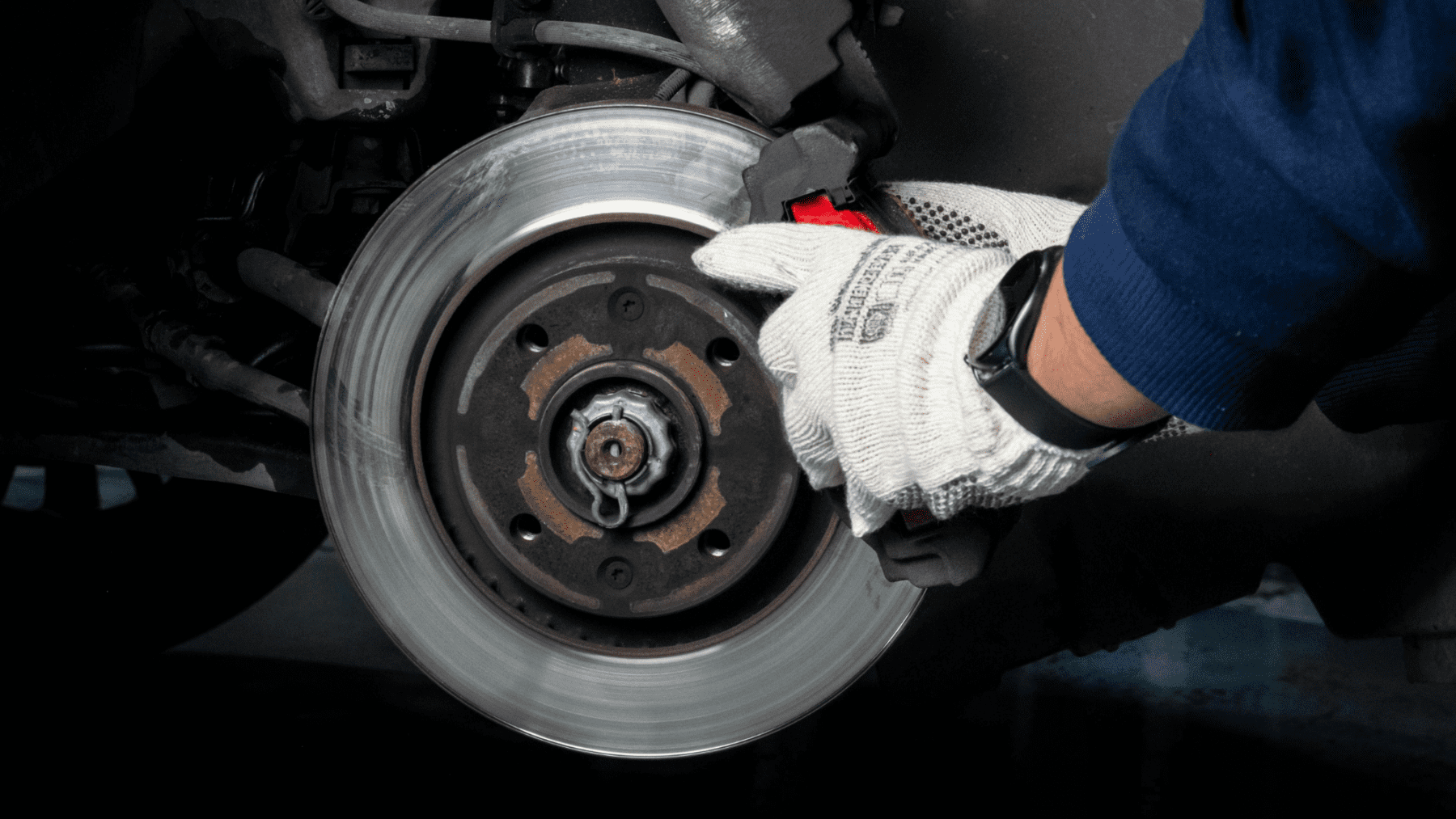
Every time you press the brake pedal, your brake pads squeeze against metal discs called rotors. That friction slows your car down.
Over time, the pads wear thinner. That’s normal.
What’s not normal is continuing to drive once that friction material is nearly gone.
At that point, your braking system has to work harder, stops become less predictable, and other parts start taking damage.
Brake wear doesn’t usually happen overnight, but the consequences can show up fast.
Brake Wear Symptoms You Shouldn’t Ignore
Many drivers ask, “Is it safe to drive with worn brakes?” The answer often depends on the symptoms you’re experiencing.
Here are common brake wear symptoms we see from drivers in Evanston, Wilmette, and Northbrook:
- High-pitched squealing when braking: Often caused by worn brake pads or built-in wear indicators.
- Grinding or scraping noises: Usually means the brake pads are worn through and metal parts are contacting each other.
- Longer stopping distances: The car needs more room to slow down—especially noticeable in traffic or rain.
- Changes in brake pedal feel: A pedal that feels soft, stiff, or uneven can signal brake system strain.
- Vibration while braking: Worn pads can damage rotors, leading to shaking in the steering wheel.
- Brake warning light: Some vehicles alert you when brake pad wear reaches a critical level.
If you’re noticing more than one of these, it’s time to take action.
The Real Dangers of Driving With Worn Brakes
Longer, Less Predictable Stops
Worn brake pads reduce friction. That means it takes longer to slow down or stop, especially at higher speeds or during sudden stops.
On busy roads in Wilmette or Northbrook, that extra distance can be the difference between a safe stop and a collision.
Damage Beyond the Brake Pads
When pads wear too thin, they can damage rotors and calipers. What could’ve been a routine pad replacement may turn into a much larger repair.
Waiting almost always costs more.
Brake Fade From Overheating
Thin pads can overheat more easily. When that happens, braking power may drop temporarily, especially during repeated stops, highway driving, or downhill braking.
That’s a scary situation to discover in real time.
Sudden Brake Failure (Rare, but Possible)
Brakes usually give warning signs before failing—but ignoring those warnings increases risk.
Driving with severely worn brakes raises the chance of losing braking power at the worst possible time.
Reduced Control in Bad Weather
Rain, snow, and icy conditions already make stopping harder. Add worn brakes, and your margin for error shrinks even more, something North Shore winters are known for testing.
What You Can Safely Check Yourself
You don’t need tools or mechanical skills to do these quick checks:
- Listen for new noises when braking.
- Pay attention to changes in pedal feel or stopping distance.
- Look for warning lights on the dashboard.
- Review your owner’s manual for brake service recommendations.
- Notice pulling or vibration when slowing down.
These checks won’t diagnose everything, but they can tell you when it’s time to schedule a professional inspection.
When to Stop Driving and Get Help Immediately
Stop driving and have your car inspected as soon as possible if you notice:
- Grinding or scraping sounds when braking
- A brake warning light that stays on
- The brake pedal going very low or feeling unresponsive
- Strong vibration or shaking during stops
- Your car not stopping as quickly as it should
If something feels unsafe, trust that instinct. Brakes aren’t something to “wait and see” with.
What a Brake Inspection Typically Covers
During a professional brake inspection, technicians generally check:
- Brake pad thickness and wear patterns
- Rotor condition and surface damage
- Calipers and brake hardware function
- Overall brake system performance
- Brake fluid condition (handled safely by professionals)
Catching issues early helps protect both your safety and your budget.
Why Regular Brake System Maintenance Matters
Brake system maintenance isn’t about replacing parts early, it’s about replacing them at the right time.
For everyday drivers in Evanston, Wilmette, and Northbrook, regular inspections help:
- Maintain consistent stopping power
- Prevent damage to rotors and calipers
- Maintain safe handling in traffic and weather
- Avoid surprise breakdowns or emergency repairs
Your brakes don’t need constant attention, but they do need timely attention.
FAQs: Driving With Worn Brakes
How long can I drive with worn brake pads?
That depends on how worn they are. Light wear may allow short-term driving, but once symptoms appear, continued driving increases risk and repair costs.
Are squealing brakes always dangerous?
Not always, but squealing often signals brake pad wear. It’s a warning that shouldn’t be ignored.
Can worn brakes affect fuel efficiency?
Indirectly, yes. Brakes that drag or don’t release smoothly can make your engine work harder.
Will worn brakes damage my tires?
Not directly, but poor braking performance can lead to skidding or uneven stopping, which may affect tire wear over time.
Is it cheaper to replace brake pads early?
Almost always. Replacing pads before they cause additional damage is typically much more affordable.
The Bottom Line for North Shore Drivers
Driving with worn brakes is about more than noise or inconvenience. It affects safety, stopping distance, and long-term repair costs.
If something feels off, trust your instincts and have it checked.
👉 Schedule a Brake Inspection with Heart Certified Auto Care today!
Your car, and everyone sharing the road with you, will appreciate it.
What HEART Offers
Servicing Your Vehicle Has Never Been Easier

3 Year Warranty

Free Loaner Cars

98% Same Day Service

Transparent Pricing

Finance Options

Certified Technicians
