

Why Your Car Is Pulling to One Side (Top Causes & Fast Fixes)
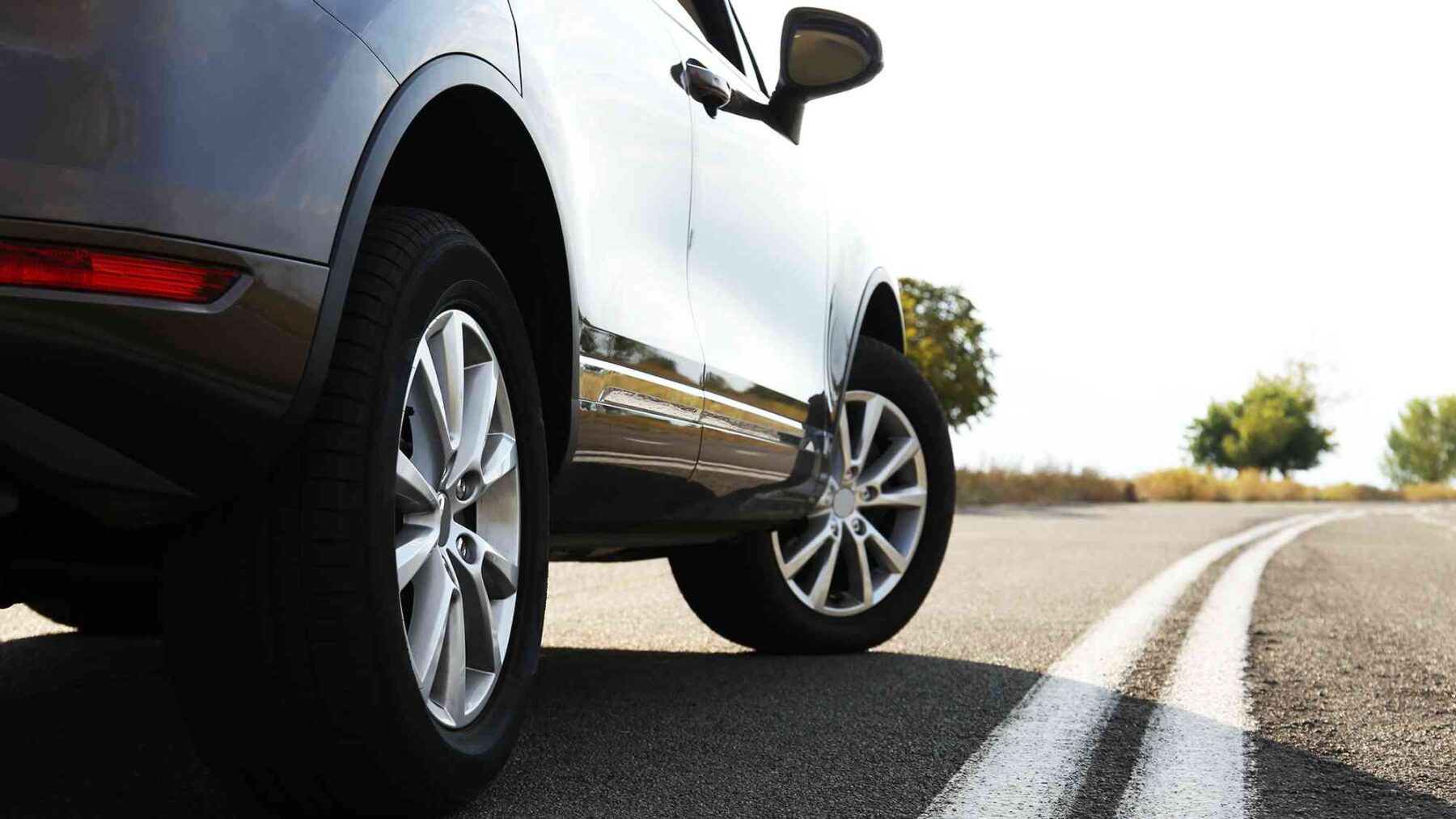

Are you constantly steering just to keep your car straight? Does it feel like it’s drifting to one side? If so, you’re right to think something’s off. It’s not just annoying, it can be unsafe.
The issue could be low or uneven tire pressure, bad alignment, or even a worn suspension.
In this guide, we’ll break down the common causes and share a few quick troubleshooting tips to help you figure out what’s going on.
1. Get to the Know the Problem
If your car starts drifting to one side, the first thing to do is figure out exactly what kind of pull you’re dealing with.
- Is your car drifting to the left? Or maybe it keeps pulling to the right?
- Does it only happen when you brake or hit the gas?
- And is it doing this nonstop, or just every now and then?
Sharing those details with your mechanic helps them zero in on the cause faster and get to a quicker diagnosis.
What Makes a Car Pull to One Side?
A car pulling to one side can happen for different mechanical or tire-related reasons. Here are the most common ones:
Uneven Tire Pressure
Uneven tire pressure can make your car lean or drift toward the side with less air. That imbalance creates a small pull, and it gets worse the bigger the pressure difference is.
Wheel Misalignment
If your wheels aren’t lined up right, they start fighting each other instead of rolling straight. If your car keeps pulling to one side after an alignment (or if it’s been a long time since your last one), you’ll usually see things like uneven tire wear, a steering wheel that sits crooked, or tires that look like they’re leaning in or out.
Suspension or Steering Wear
Over time, parts in your suspension, like control arms, tie rods, or shocks, wear down and throw things out of alignment. That alone can make your car pull, even if your tires and brakes are totally fine.
Brake Problems
If your car starts pulling to one side when you hit the brakes, it usually means something’s off, like a sticking caliper, worn pads, or a problem with the brake fluid or lines. When the brakes don’t apply pressure evenly, the car will drift toward the side getting more stopping power.
Road Imbalance
Heavily crowned roads or uneven cargo weight can make the car pull a bit. If it only happens on certain stretches of road or when the vehicle’s loaded, that’s probably why.
Wheel Bearing or Steering Sensor Issues
A bad wheel bearing or an uncalibrated steering angle sensor can also make the car pull, even though it’s not as common. Issues like these usually need a certified tech to run diagnostics.
2. Check Tire Pressure
If your car feels like it’s pulling to one side, tire pressure is usually one of the biggest culprits. When a tire is over- or under-inflated, the whole car can feel like it’s leaning. That pull can hit from either the left or right, almost like the car is heaving a bit.
If your tires are over- or under-inflated, you’ll end up with tire wear problems later, so don’t let it sit. Check the recommended tire pressure and go to the nearest air fill station to top them off. If you’re tight on time, you can always drop by your local Heart Certified Auto Care for a free tire pressure check.
3. Pay Attention to the Alignment
If your tire pressure looks good, the next thing to think about is, “When was the last time I got a wheel alignment?” If you can’t even remember, there’s a good chance the pull is coming from a misalignment.
Keeping up with your car’s maintenance is key. If you think a bad alignment is making your car pull, check for uneven tire wear, a steering wheel that sits off-center, or tires that look like they’re leaning in.
Our ASE-certified technicians will adjust your steering and suspension during an alignment so every angle is set to the manufacturer’s specs.
The result? A smooth, steady ride that actually stays straight.
4. Don’t Skip Your Brake Check
If your car pulls to one side when you hit the brakes, and you’ve already confirmed your tire pressure is right after an alignment, you might be looking at a sticking brake caliper or a clogged brake line. The calipers are what press the brake pads against the rotor.
If one caliper isn’t applying enough pressure because it’s stuck, the car can start pulling in the opposite direction.
No matter the size, brake issues are always a real safety concern. If you think something’s wrong with your brakes, head to your nearest Heart Certified Auto Care right away.
5. Get a Full Vehicle Inspection
If your car keeps pulling left or right even after you’ve checked the tire pressure and had an alignment done, it’s time to let a pro take a look. Leaving it alone can lead to early tire wear, lower fuel economy, and shaky steering.
At Heart Certified Auto Care, our techs can quickly find the issue, whether it’s uneven brakes, lingering alignment problems, or worn suspension parts, and get it fixed fast. With advanced diagnostics and real experience behind every repair, we’ll make sure your car drives straight and stays safe.

Road Stability Starts With Heart Certified Auto Care
Several other issues can also make your car pull to one side, like a bad wheel bearing, worn steering parts, an uncalibrated steering angle sensor, or a failing tie rod. These problems are tough to diagnose on your own and can become dangerous if you don’t get them checked.
If your car starts pulling to one side, make safety your priority and get it checked by a pro. Pay attention to when the pulling happens and whether it’s steady or comes and goes. Then visit us at Heart Certified Auto Care for an inspection, we’ll make sure you’re back on track.
What HEART Offers
Servicing Your Vehicle Has Never Been Easier

3 Year Warranty

Free Loaner Cars

98% Same Day Service

Transparent Pricing

Finance Options

Certified Technicians
