


3 Year Warranty
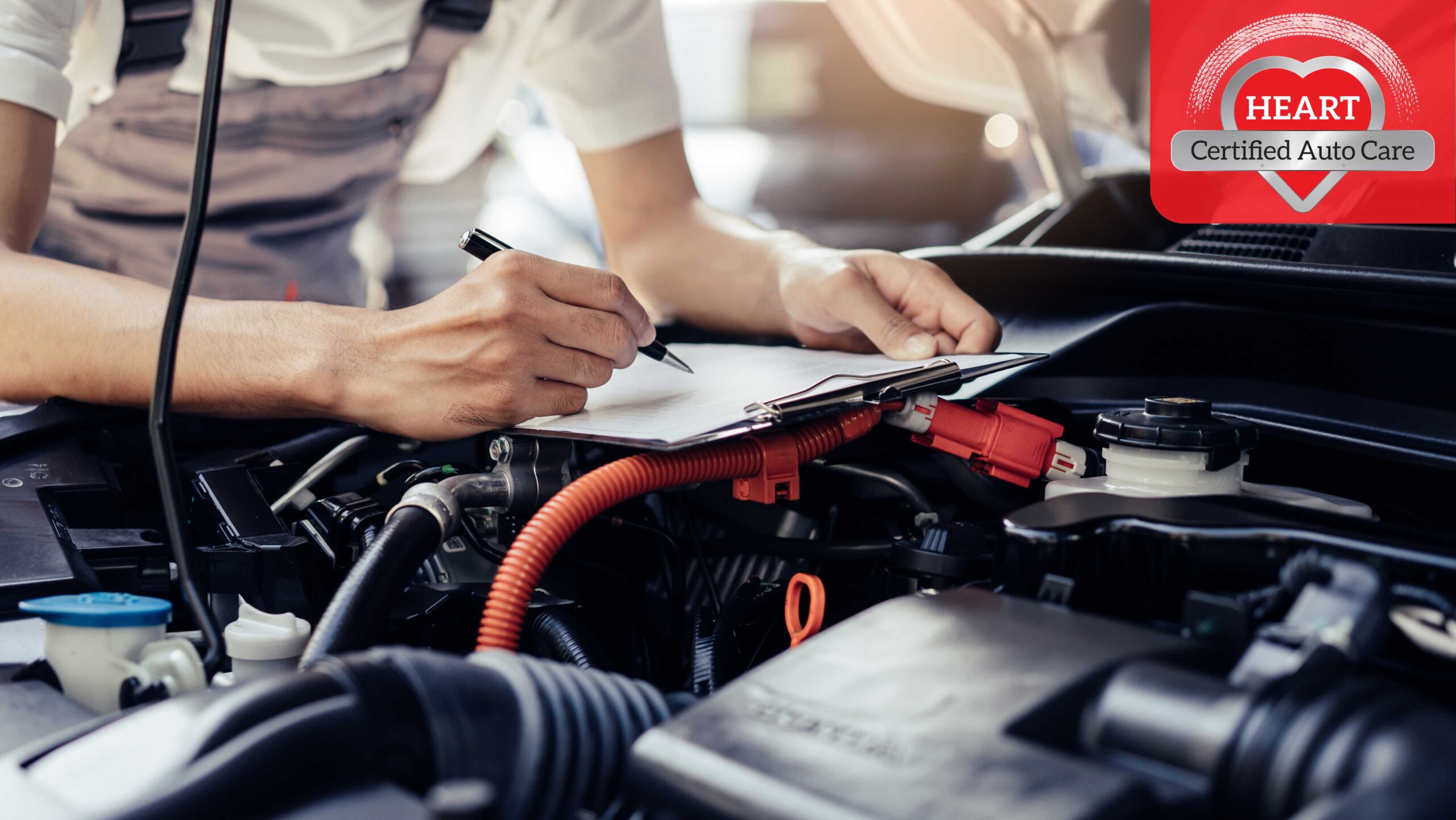
A car maintenance checklist in Arlington Heights IL can help you keep track of the small things that are easy to forget when life gets busy. A quick monthly check can reveal low tire pressure, worn wipers, fluid issues, burned-out lights, leaks, or other issues before they become bigger concerns.
You do not need to be a mechanic to handle the basic checks. For local car owners, SUV drivers, and first-time vehicle owners, the key is knowing what to look for, what your owner’s manual says, and when a problem deserves professional attention.
A monthly car maintenance checklist in Arlington Heights IL should focus on checks that are simple enough to repeat consistently. Many of the most useful inspections take only a few minutes and can be done while your vehicle is parked at home.
Current maintenance guides commonly recommend checking tires, fluids, lights, wipers, batteries, visible leaks, brakes, and other basic safety components.
Use this routine once a month, preferably on the same weekend or around the same date. A consistent habit makes it easier to notice when something has changed.
The goal of this routine is not to diagnose every mechanical problem in your driveway. It gives you an early look at your vehicle’s condition and helps you recognize changes that warrant professional attention.
A routine car maintenance in Arlington Heights IL plan should separate simple owner checks from services that require tools, equipment, or a trained technician. This makes the process less intimidating for first-time car owners.
You can handle many visual checks yourself, while a repair shop can investigate problems that are harder to identify safely.
Start with the basics:
Your owner’s manual remains the best source for vehicle-specific instructions. Current maintenance resources also stress that maintenance intervals vary according to the vehicle, engine, transmission, mileage, driving conditions, and manufacturer recommendations.
Some inspections require lifting the vehicle, measuring components, testing systems, or removing parts. These can include detailed brake inspections, suspension diagnosis, wheel alignment checks, battery and charging-system testing, and diagnosis of warning lights.
That distinction matters because a monthly inspection should give you useful information without encouraging inexperienced owners to take unnecessary risks.
A car maintenance schedule in Arlington Heights IL should use both time and mileage. Your vehicle may need certain services after a specific number of miles, after a certain amount of time, or whichever comes first.
Your owner’s manual should take priority over a generic online schedule. Different vehicles can have different requirements even when they have similar mileage.
For example, your schedule may include:
A useful rule is to treat the maintenance schedule as your long-term plan and the monthly checklist as your early-warning routine. One does not replace the other.
Your routine car maintenance in Arlington Heights IL should give tires special attention because tires affect braking, handling, comfort, and fuel economy.
Tires can gradually lose pressure, and temperature changes can affect pressure readings. One current guide notes that tires can lose roughly 1 PSI per month under normal conditions, while colder temperatures can cause additional pressure loss.
When checking your tires, look for:
Do not assume the TPMS warning light replaces manual tire checks. The monitoring system can alert you to pressure changes, but a quick physical inspection can reveal damage or uneven wear that a pressure sensor cannot identify.


A monthly car maintenance checklist in Arlington Heights IL should include a quick look at your vehicle’s fluid reservoirs and parking area.
Low fluid levels can have several causes. Some may result from normal consumption or service needs, while others can indicate a leak or component problem.
Pay attention to:
A puddle under the vehicle deserves attention, especially when it appears repeatedly. Do not try to identify an unknown fluid solely from its color because several fluids can look similar depending on the vehicle and conditions.
A car maintenance schedule in Arlington Heights IL can feel complicated when you are buying or owning your first vehicle. The easiest way to simplify it is to keep three things together: the owner’s manual, your service records, and your current mileage.
First-time owners often focus on oil changes and forget the smaller warning signs. They may also assume that a newer vehicle needs no attention between scheduled services.
Keep track of:
This simple record can make future appointments easier because you can tell the technician what changed and when. It also gives you a clearer picture of your vehicle’s service history if you eventually sell or trade it.
The best routine car maintenance in Arlington Heights IL also accounts for changing weather. A vehicle that performs normally during mild weather can reveal battery, tire, heating, cooling, or visibility problems when conditions change.
Before seasonal changes, give extra attention to:
You do not need to perform every seasonal service yourself. A professional inspection can help identify components that require testing or equipment that most drivers do not have at home.
A monthly inspection is useful, but it should not become an excuse to postpone a problem. If your auto repair in Arlington Heights IL needs attention, acting early can make diagnosis easier and may prevent a smaller issue from developing into a larger repair.
Schedule an inspection when you notice:
A professional inspection is especially useful when you cannot tell if a symptom is minor. Describing what you noticed, when it happens, and whether it occurs during braking, acceleration, turning, or starting can help the technician narrow down the problem.
When you need auto repair in Arlington Heights IL, look for a shop that can explain what the vehicle needs in clear language and distinguish urgent repairs from routine maintenance.
HEART Certified Auto Care has expanded its presence in the Northwest Suburbs through Casey Automotive in Arlington Heights. The Casey Automotive location at 715 East Rand Road, Arlington Heights, IL 60004 is now part of the HEART family, bringing the established Arlington Heights shop into the HEART Certified Auto Care network.
HEART’s approach also gives local drivers access to a broader service network, including locations in Evanston, Wilmette, Northbrook, and Libertyville.
When choosing a repair shop, useful questions include:
You should leave an appointment understanding what was found, what was repaired, and what deserves attention next.

A car maintenance checklist in Arlington Heights IL gives you a simple way to stay aware of your vehicle’s condition without trying to become a mechanic. Spend a few minutes each month checking tires, fluids, lights, wipers, warning indicators, and visible leaks, then use your owner’s manual to stay on top of scheduled service.
If something changes between checks, do not wait for the next date on your calendar. HEART Certified Auto Care and the Casey Automotive location on East Rand Road can help Arlington Heights drivers investigate maintenance concerns and keep their vehicles in better condition.
For auto repair in Arlington Heights IL, visit Casey Automotive at 715 East Rand Road, now part of the HEART Certified Auto Care family. You can also choose a HEART location in Evanston, Wilmette, Northbrook, or Libertyville when one is more convenient for you.


At HEART Certified Auto Care, we believe auto repair should feel honest, approachable, and stress-free — not confusing or intimidating. We’re not your typical repair shop. We take the time to explain what your car truly needs (and what it doesn’t), so you can make confident decisions without pressure.
Our experienced technicians focus on long-term vehicle health, preventative care, and clear communication. Whether you’re stopping in for routine maintenance or unexpected repairs, you’ll always be treated like family — with respect, transparency, and genuine care for your safety on the road.
With multiple convenient locations, HEART Certified Auto Care proudly serves drivers throughout Chicago’s North Shore and surrounding suburbs, providing dependable auto repair you can trust year after year.
Proudly Serving Local Communities Including:
Looking for dependable auto repair near you? Schedule an appointment with HEART Certified Auto Care today and experience the difference of local service done right.





Servicing Your Vehicle Has Never Been Easier
3 Year Warranty

Free Loaner Cars

98% Same Day Service

Transparent Pricing

Finance Options

Certified Technicians

Free Digital Inspection