



3 Year Warranty


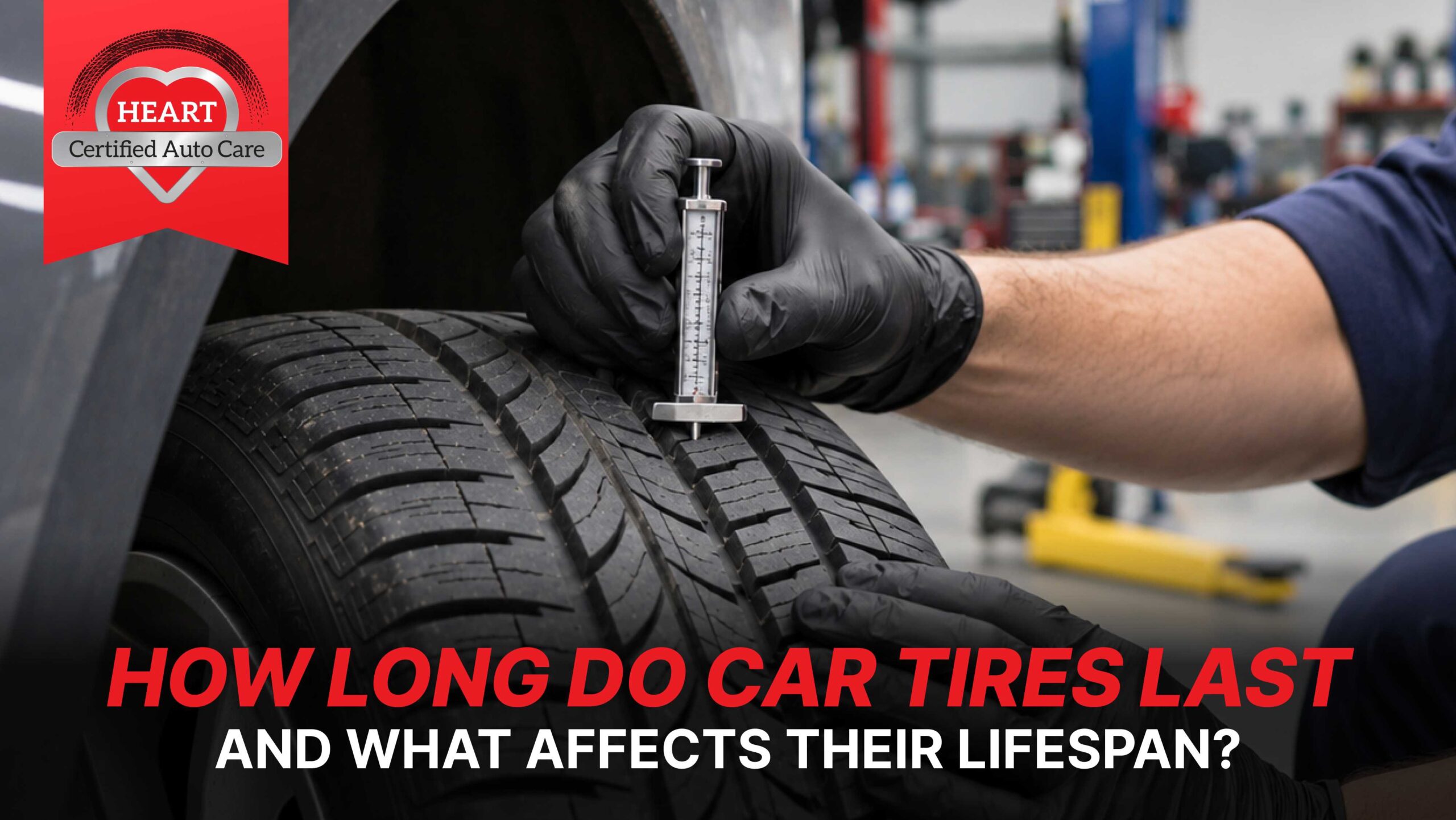
Your tires affect how well your vehicle grips the road, handles corners, and stops in wet weather. Knowing when they need replacing can help you avoid unexpected expenses and keep your family safer on the road.
So, how long do car tires last? Many passenger car tires can provide several years of service, but their actual lifespan depends on mileage, tire design, driving habits, maintenance, and age. Some wear out well before their expected mileage, while others need replacement because the rubber has deteriorated even though the tread still looks good.
For drivers in Evanston, Wilmette, Northbrook, and Libertyville, regular inspections are especially useful because seasonal temperature changes, winter road conditions, potholes, and stop-and-go traffic can affect tire condition.
There is no universal expiration date for every tire. A tire’s useful life depends on its design, the vehicle it supports, how often you drive, and the conditions it faces.
Some tires have mileage warranties, but these are not guarantees that every tire will reach that mileage. Warranty terms, vehicle maintenance, road conditions, and the way a tire is used all affect its service life.
The answer varies by tire model. When comparing replacement options, look at the manufacturer’s mileage warranty as one reference point, then consider your own driving conditions.
For example, a driver who spends most days commuting on highways may see a different wear pattern from someone who makes frequent short trips through city streets. A heavy SUV, an aggressive driving style, or poor wheel alignment can also affect tread life.
Keep these points in mind when estimating replacement timing.
The most useful way to estimate tire life is to combine the manufacturer’s guidance with your actual driving habits and the tire’s current condition. Avoid waiting for a mileage target if an inspection reveals damage or unsafe tread.
Understanding the causes of tire wear can help you make better maintenance decisions. Small issues, such as running on underinflated tires, can gradually lead to uneven tread wear and additional expenses.
Tire pressure affects how the tread contacts the road. Underinflation can increase heat buildup and cause excessive wear along the shoulders, while overinflation can contribute to wear in the center of the tread.
Check pressure at least monthly and before long road trips. Use the recommended cold pressure listed on the driver’s door placard or in the owner’s manual, not the maximum pressure printed on the tire sidewall.
Misaligned wheels can cause tires to wear unevenly. You might notice one edge wearing faster than the other, or your vehicle may pull to one side when driving on a straight road.
Rotation helps distribute wear among the tires. Many vehicles have a recommended rotation interval, often around 5,000 to 8,000 miles when specified by the manufacturer, but your owner’s manual should determine the correct schedule and pattern.
Hard braking, rapid acceleration, sharp cornering, and hitting potholes can increase tire wear or damage. Frequent short trips and stop-and-go traffic also create different demands from steady highway driving.
Drivers around Evanston, Wilmette, Northbrook, and Libertyville should pay attention to pothole impacts and seasonal road conditions. If you hit a significant pothole, check for new vibrations, steering changes, pressure loss, or visible damage.
Temperature changes can affect tire pressure, while exposure to sunlight, heat, and other environmental conditions contributes to rubber aging. Cold-weather driving can also place different demands on tread compounds and traction.
Tires that spend long periods parked are not automatically safe simply because their tread looks new. Age, storage conditions, and the tire manufacturer’s replacement recommendations all matter.


Tread depth is important, but it is not the only factor to check. Inspect all four tires regularly because the front and rear tires may wear at different rates.
Watch for these warning signs.
Do not rely on appearance alone. If a tire has structural damage or the vehicle’s handling changes suddenly, stop somewhere safe and seek professional advice before continuing.
A quick monthly check can help you catch problems before they become expensive. You do not need specialized equipment for a basic visual inspection, although a tread depth gauge gives you a more precise measurement.
Follow these steps to assess tread wear.
The widely used minimum tread depth is 2/32 inch, or approximately 1.6 mm. However, waiting until that point may leave less traction available in wet conditions. Consider having tires assessed earlier if you regularly drive in rain or encounter other challenging road conditions.
The DOT Tire Identification Number on the sidewall contains a four-digit date code at the end. The first two digits indicate the week of manufacture, and the final two indicate the year.
For example, a code ending in 2322 indicates manufacture during the 23rd week of 2022. This tells you when the tire was made, not exactly how long it has been in service.
Age recommendations vary by manufacturer. Some recommend replacement after six years in service, while others provide different inspection and replacement guidance. Michelin recommends annual professional checks after five years of use and precautionary replacement at ten years from manufacture if the tires have not already been replaced. Follow the guidance for your specific tire and vehicle.
Good maintenance can help you get more useful service from your tires while protecting handling and traction. The goal is even wear and early detection of damage, not extending tire life at the expense of safety.
These habits help reduce avoidable wear, but they cannot prevent every form of tire damage or aging. Keep records of tire purchases, rotations, repairs, and inspections so you can make informed replacement decisions.

Knowing when to replace tires helps you plan maintenance, manage costs, and protect your vehicle’s handling. Mileage is only one part of the decision. Tire age, tread depth, visible damage, and the manufacturer’s recommendations all matter.
HEART Certified Auto Care helps drivers make informed tire maintenance decisions with professional inspections, tire installation, rotation, and wheel alignment services. The team can explain its findings and help you understand which work needs attention first.
If your tires show uneven wear, have lost pressure repeatedly, or are approaching their recommended replacement age, arrange an inspection before your next long drive.
Book an appointment through HEART Certified Auto Care and choose the location that works best for you.


At HEART Certified Auto Care, we believe auto repair should feel honest, approachable, and stress-free — not confusing or intimidating. We’re not your typical repair shop. We take the time to explain what your car truly needs (and what it doesn’t), so you can make confident decisions without pressure.
Our experienced technicians focus on long-term vehicle health, preventative care, and clear communication. Whether you’re stopping in for routine maintenance or unexpected repairs, you’ll always be treated like family — with respect, transparency, and genuine care for your safety on the road.
With multiple convenient locations, HEART Certified Auto Care proudly serves drivers throughout Chicago’s North Shore and surrounding suburbs, providing dependable auto repair you can trust year after year.
Proudly Serving Local Communities Including:
Looking for dependable auto repair near you? Schedule an appointment with HEART Certified Auto Care today and experience the difference of local service done right.





Servicing Your Vehicle Has Never Been Easier
3 Year Warranty

Free Loaner Cars

98% Same Day Service

Transparent Pricing

Finance Options

Certified Technicians

Free Digital Inspection