



3 Year Warranty
Keeping up with a car maintenance schedule in Wilmette IL can help you catch small problems before they become expensive repairs. A good schedule covers routine services such as oil changes, tire care, brake inspections, fluid checks, battery testing, and filter replacement.
For Wilmette drivers, local conditions also matter. Winter road salt, potholes, freezing temperatures, summer heat, and frequent short trips can put extra stress on different parts of your vehicle.
If you are a first-time car owner, you do not need to memorize every service interval. Start with your owner’s manual, keep a record of completed work, and use the checklist below as a practical guide.
The easiest way to create a useful schedule is to combine three things: your manufacturer’s recommendations, your actual driving habits, and the conditions your vehicle experiences.
Your owner’s manual should be your starting point because service intervals vary between vehicles. A newer SUV with a turbocharged engine can have different requirements from an older sedan, while a hybrid can have different maintenance needs from a conventional gasoline vehicle.
A car maintenance checklist in Wilmette IL should also account for local driving. Frequent short trips can prevent the engine and fluids from reaching their normal operating temperatures, while winter salt and potholes can place additional stress on tires, brakes, suspension, and underbody components.
Look for the maintenance schedule in the manual or the manufacturer’s digital service system. Pay attention to intervals based on both mileage and time.
If the manual says to perform a service at a certain mileage or after a certain number of months, follow whichever comes first unless the manufacturer specifies otherwise.
A driver who commutes every day may reach mileage intervals quickly. Someone who mainly uses a vehicle for errands may accumulate fewer miles but still need time-based services.
Write down the date, mileage, service performed, and any parts replaced. Keeping these records can also make future troubleshooting easier.
Manufacturers may identify certain driving patterns as severe service. Frequent stop-and-go traffic, towing, very short trips, dusty conditions, or extreme temperatures can change maintenance needs.
Wilmette’s winter weather adds another consideration. Cold starts, road salt, potholes, and fluctuating temperatures can expose weak batteries, worn tires, brake problems, and suspension issues.


A practical maintenance checklist should cover the systems that affect reliability, safety, and everyday drivability. You do not need to inspect every component yourself. Instead, use the list to identify what to monitor and discuss with your technician.
These are some of the most useful items to keep on your routine car maintenance in Wilmette IL plan:
The value of this preventive auto maintenance in Wilmette IL comes from catching changes early. A small tire-pressure issue or an unusual vibration may be easy to address when you notice it, but ignoring it can cause related components to wear faster.
There is no single schedule that works for every car. Your vehicle’s year, mileage, engine, transmission, driving conditions, and manufacturer’s recommendations all affect the appropriate intervals.
A simple way to organize your vehicle inspection in Wilmette IL needs is by frequency.
Spend a few minutes checking the basics. You can do many of these checks in your driveway.
These quick checks take little time but can give you an early warning. If something looks or feels different, make a note of it instead of waiting until the next oil change to remember.
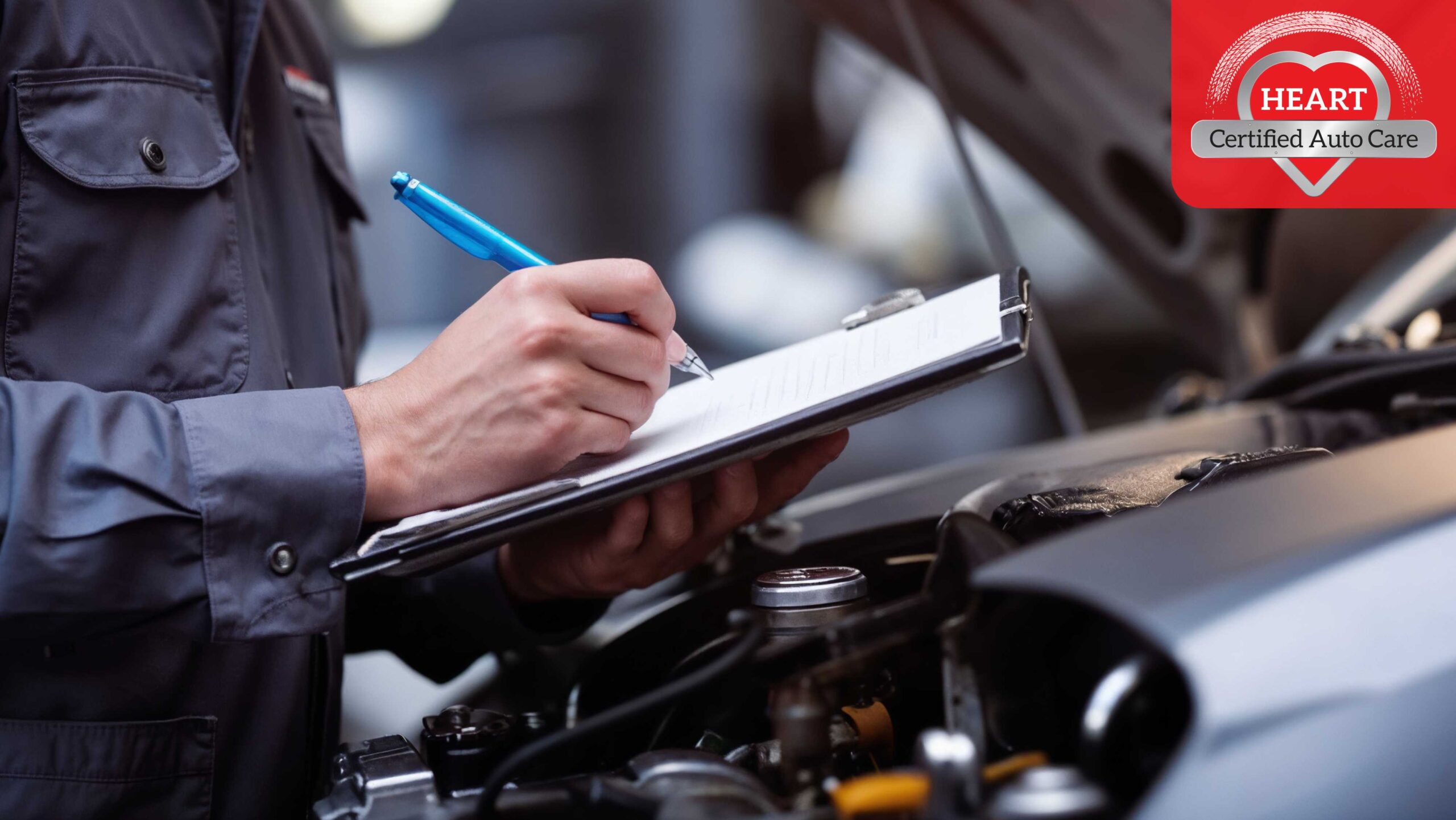
Use routine service visits to review the vehicle as a whole. HEART’s complimentary 33-point digital inspection covers areas such as fluids, filters, tires, brakes, and suspension, and the shop provides photos of what technicians find.
A maintenance visit should leave you with a clear understanding of your vehicle’s condition. Ask which items require immediate attention, which can wait, and what signs should prompt you to return sooner.
Major maintenance can include services such as spark plug replacement, transmission service, coolant service, belt inspections, and other vehicle-specific work. The correct interval depends heavily on the vehicle.
Do not approve a major service simply because a generic online chart says your car has reached a certain mileage. Check your manufacturer’s schedule first, then discuss the service with a qualified technician.
Seasonal changes deserve a place in your car maintenance schedule in Wilmette IL because the vehicle faces different stresses throughout the year.
Winter deserves particular attention in the Chicago area. Freezing temperatures can reduce battery performance, while salt and potholes can contribute to corrosion, tire damage, brake concerns, and suspension wear. Local Chicago-area maintenance guides also recommend checking batteries, tires, brakes, fluids, wipers, and underbody components before winter conditions arrive.
A pre-winter inspection can be particularly helpful if you recently purchased a used vehicle and do not know its service history. It gives you a baseline before the harshest driving conditions arrive.
Spring is a useful time to look for damage left behind by months of cold weather, salt, and potholes.
This seasonal approach makes routine car maintenance in Wilmette IL easier to manage. Instead of waiting for something to fail, you can use the change of seasons as a natural reminder to check the systems most affected by local weather.

A car maintenance schedule in Wilmette IL should start with your manufacturer’s recommendations and then account for how, where, and how often you drive. Regular checks of tires, brakes, fluids, battery, filters, lights, and suspension can help you spot problems before they become larger concerns.
For Wilmette drivers, seasonal inspections are also worth considering because winter cold, road salt, potholes, and summer heat can place different demands on a vehicle. HEART Certified Auto Care can help you keep track of those needs with professional service and a complimentary 33-point digital inspection.
If your vehicle is due for routine service or you have noticed a new noise, a warning light, a vibration, or a change in handling, schedule an appointment with HEART Certified Auto Care. The Wilmette location is at 1201 Green Bay Rd, and HEART also has convenient locations in Evanston, Northbrook, and Libertyville.
You can review HEART’s maintenance and repair services or request an appointment online. Keeping your vehicle on a consistent schedule can make everyday driving more predictable and help you address concerns before they become bigger problems.


At HEART Certified Auto Care, we believe auto repair should feel honest, approachable, and stress-free — not confusing or intimidating. We’re not your typical repair shop. We take the time to explain what your car truly needs (and what it doesn’t), so you can make confident decisions without pressure.
Our experienced technicians focus on long-term vehicle health, preventative care, and clear communication. Whether you’re stopping in for routine maintenance or unexpected repairs, you’ll always be treated like family — with respect, transparency, and genuine care for your safety on the road.
With multiple convenient locations, HEART Certified Auto Care proudly serves drivers throughout Chicago’s North Shore and surrounding suburbs, providing dependable auto repair you can trust year after year.
Proudly Serving Local Communities Including:
Looking for dependable auto repair near you? Schedule an appointment with HEART Certified Auto Care today and experience the difference of local service done right.





Servicing Your Vehicle Has Never Been Easier
3 Year Warranty

Free Loaner Cars

98% Same Day Service

Transparent Pricing

Finance Options

Certified Technicians

Free Digital Inspection