Your brakes are one of the most critical safety systems in your vehicle. Ignoring brake problems isn’t just about preventing an expensive repair—it could be the difference between a safe stop and a collision.
At HEART Certified Auto Care, we’ve helped thousands of North Shore drivers catch brake issues before they become dangerous.
Between harsh winter road salt, freeze-thaw potholes, and stop-and-go commuter traffic along Green Bay Road and I-94, brakes in Evanston, Wilmette, and Northbrook work harder than many drivers realize. Here are the five most common signs brakes need replacing, and what to do next.
1. Squeaking or Squealing Sounds
One of the first signs you’ll notice is a high-pitched squeaking or squealing noise when you apply the brakes. This sound usually comes from a small metal tab designed to alert you that brake pads are getting thin. Sometimes this noise is worse in the morning or after rain.
Why It Happens
Brake pads are built with wear indicators. When the pad material gets low, that indicator touches the rotor and creates a sharp squeal. It’s your car’s built-in warning system.
Sometimes the noise is worse in the morning, after rain, or during damp North Shore winters. Light surface rust can form overnight and create temporary noise. But if the squealing continues every time you brake, it’s time for an inspection.
What to Do
Don’t ignore it. While you may still have some stopping power, you’re on borrowed time. A quick brake inspection can confirm whether you simply need new pads or if additional components are affected.
2. Grinding Metal-on-Metal Noise
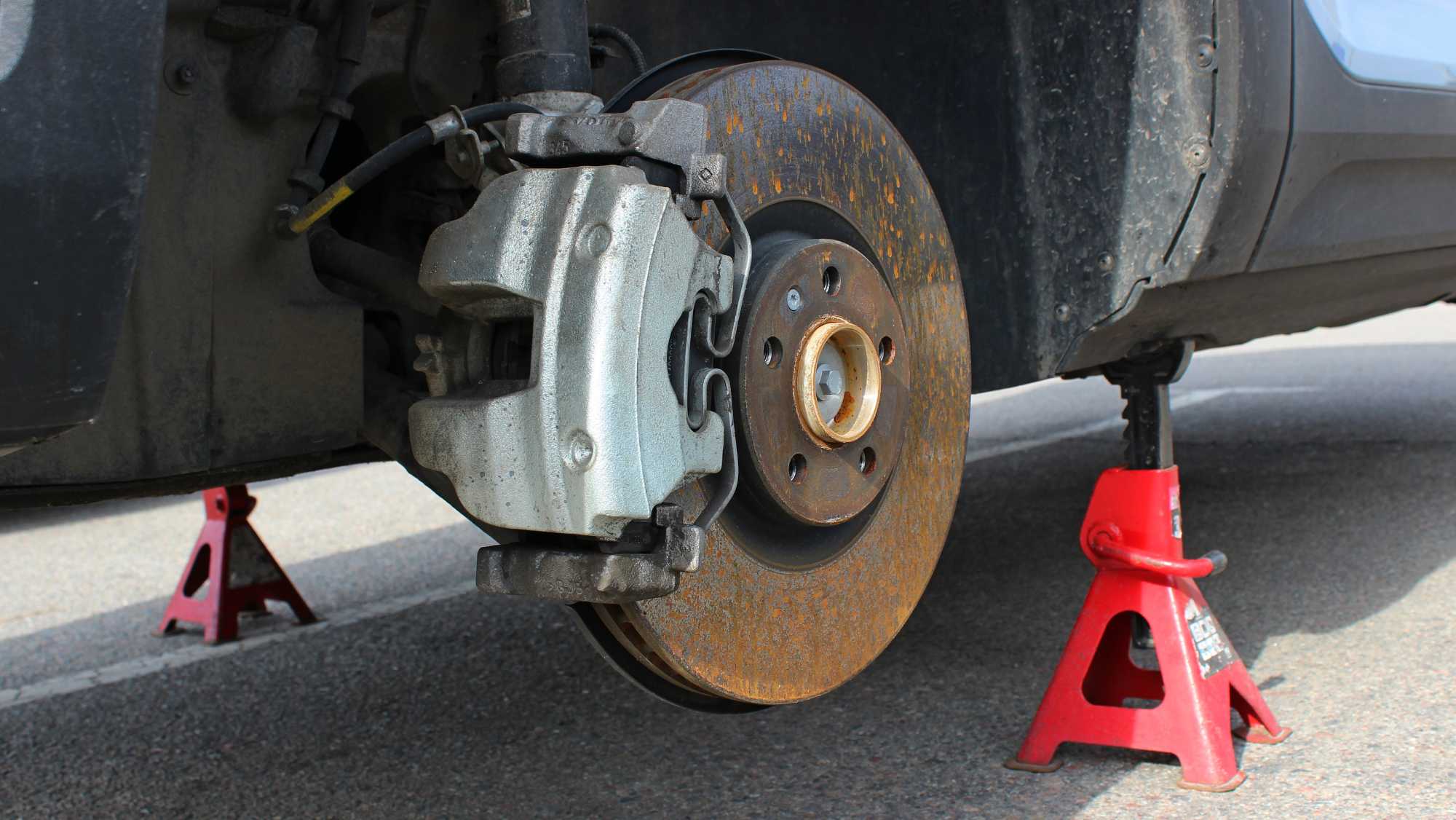
If squeaking has graduated to a grinding sound, like metal rubbing on metal, you’ve waited too long. This grinding means your brake pads are completely worn away.
What Grinding Means
This grinding usually means the brake pads are completely worn away. Now, the metal backing plate is contacting the rotor directly. That contact damages the rotor surface and dramatically reduces braking performance.
With the heavy traffic around Central Street, Skokie Boulevard, and Sheridan Road, you can’t afford compromised stopping power, especially during slick winter conditions.
What to Do
If you hear grinding, schedule service today. Continuing to drive could turn a straightforward brake pad replacement into a more expensive rotor replacement.
3. Soft or Spongy Brake Pedal
When you press your brake pedal, it should feel firm and responsive. If it feels soft, spongy, or sinks toward the floor, something isn’t right.
Possible Causes
A soft brake pedal can indicate:
- Air in the brake lines
- Brake fluid leaks
- Worn brake components
- A failing master cylinder
All of these issues affect hydraulic pressure, which is what allows your vehicle to stop effectively.
Why It's Serious
Brake hydraulics aren’t a DIY system. If your pedal doesn’t feel firm, your vehicle’s stopping ability may be reduced. In busy North Shore traffic or during sudden stops in school zones, that delay can matter.
This is a safety-critical issue—have it inspected immediately.
4. Pulling or Uneven Braking
Does your vehicle pull to one side when you brake? That’s another common sign brakes need replacing.
What Causes Pulling
Pulling can happen when:
- One brake caliper sticks
- Brake pads wear unevenly
- Brake fluid distribution is uneven
- Suspension components are worn
North Shore potholes and rough winter roads can accelerate uneven wear, especially if you’re commuting daily between Evanston and Northbrook.
Why It Matters
When your car pulls during braking, stability is compromised. In emergencies, like avoiding a pedestrian or sudden traffic slowdown, you need straight, predictable stopping.
If you notice pulling, schedule an inspection before the problem worsens.
5. Vibration or Pulsing in the Brake Pedal
If your brake pedal vibrates or pulses when you apply the brakes, your rotors may be warped or unevenly worn.
What's Happening
Rotors should be smooth and even. Over time, heat buildup from repeated braking, especially in stop-and-go traffic, can cause uneven surfaces. When brake pads press against a warped rotor, you feel that pulsing sensation.
Modern vehicles with ABS may produce pulsing during emergency braking. That’s normal. But you shouldn’t feel vibration during everyday driving.
What to Do
Brake vibration won’t fix itself. Left alone, it can worsen rotor damage and reduce overall braking efficiency. A professional inspection can determine whether resurfacing or replacement is needed.
Why Trust HEART with Your Brakes?
Brake service isn’t just about replacing parts—it’s about protecting you and your family.
At HEART Certified Auto Care:
- We’ve been a BBB-accredited business since 1996.
- Our 98% same-day service rate means you won’t be without your vehicle long.
- We provide photo transparency, so you can see exactly what we find.
- Every brake service comes with our 3-year/36,000-mile warranty.
We understand how demanding North Shore driving can be, from icy Wilmette mornings to busy Northbrook shopping traffic. Our ASE-certified technicians take the time to inspect your entire braking system, not just the pads.
Schedule Your Brake Inspection Today
Don’t wait for grinding brakes or a soft pedal to put you at risk.
If you’re noticing any of these signs that brakes need replacing, visit HEART Certified Auto Care. We have three convenient North Shore locations:
- Evanston: 2620 Green Bay Rd
- Wilmette: 1201 Green Bay Rd
- Northbrook: 280 Skokie Blvd
We’re open for walk-ins, and with our comprehensive 33-point inspection, you’ll know exactly what your brakes need—no surprises.
Your safety matters to us.
👉
Book an Appointment today and let our team make sure your vehicle stops as confidently as it drives.