


6 Ignition Coil Failure Symptoms Every Driver Should Know
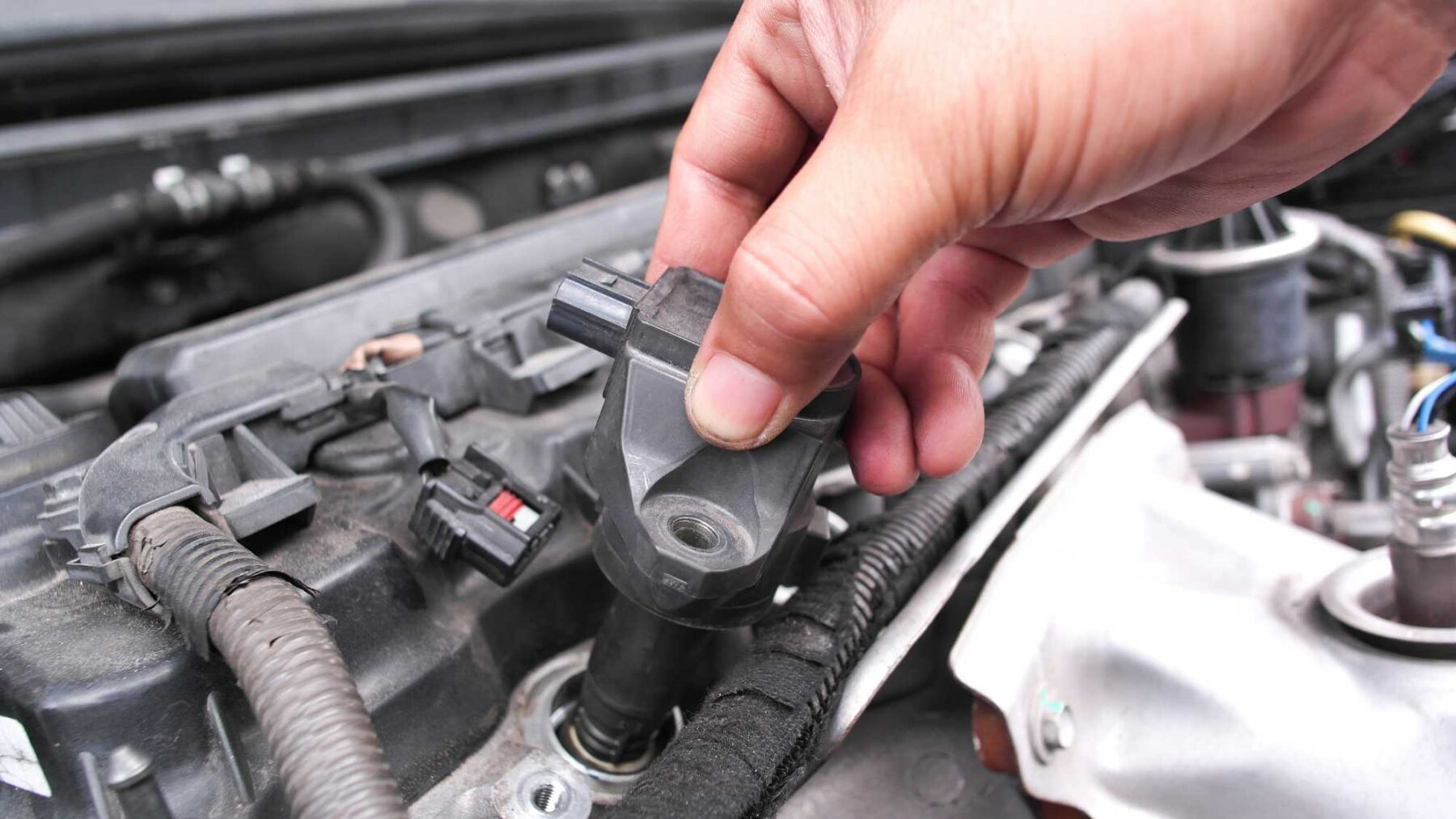

Ignition coils are what help produce the spark your engine needs to run. When they fail, your car can start sputtering, lose power, or not start at all. Because they work hand-in-hand with your spark plugs and engine, ignition coil issues are usually pretty noticeable, and definitely something you’ll want to fix quickly.
Below, we’ll break down the most common signs of a bad ignition coil, what usually causes them to fail, and how you can check an ignition coil right under your hood.
What Does an Ignition Coil Do?
An engine only runs when it has four essentials: air, fuel, compression, and a spark. The spark comes from your spark plugs, but it’s the ignition coils that make it happen. They take your car’s standard 12-volt battery power and boost it up, sometimes to around 40,000 volts in bigger engines. That big jump in voltage lights the air-fuel mix inside the engine and keeps your car moving.
Most newer cars use a coil-on-plug setup, meaning each spark plug gets its own ignition coil. Your car’s computer decides exactly when each coil should fire, using info from different sensors.
In most cases, there’s one ignition coil for every engine cylinder, so you’ll see four coils on a four-cylinder engine, six on a six-cylinder, and so on.
6 Most Common Ignition Coil Failure Symptoms
A bad ignition coil can end up doing serious damage to your engine.
Before it gets to that point, watch for these possible signs that your ignition coil is starting to fail:
1. Check Engine Light is On
Your car’s onboard computer constantly monitors the ignition system. When it detects misfires or coil-specific faults, it triggers the Check Engine light.
Some of the most common ignition-coil trouble codes are:
- P0351–P0358 (Ignition Coil Primary/Secondary Circuit Fault)
- P0300–P0306 (Random/Multiple Cylinder Misfire)
If your Check Engine light starts flashing, treat it like an emergency. A flashing light means the misfires are bad enough to possibly damage your catalytic converter right away.
Pull over when it’s safe and let the pros at Heart Certified Auto Care check things out with an OBD-II scanner and handle the ignition coil replacement you need.
2. Engine Misfires or Rough Idling
That “dead” cylinder feeling is actually a misfire, and it can happen while you’re driving, too. When an engine misfires, it usually runs rough, shakes, and vibrates at idle, and it can jerk or sputter once you’re on the road.
If the misfire is bad enough, you might even see your check engine light start flashing, which is a sign of a serious problem that needs attention right away.
Because misfires put a lot of extra stress on your engine, it’s best to bring your car in as soon as you spot any of these signs.
3. Loss of Power or Poor Acceleration
Another major indicator is a noticeable drop in power or responsiveness. A failing coil affects how efficiently each cylinder fires, making your engine feel weak or sluggish.
You may feel:
- A lack of power when merging onto highways
- Slow acceleration even when pressing the gas firmly
- Difficulty driving uphill or passing other vehicles
- Lag or hesitation during gear shifts
This directly impacts your ability to drive safely, especially in high-traffic or high-speed environments. If your vehicle feels like it’s struggling, it may be experiencing early-stage coil failure.
4. Poor Fuel Economy
When an ignition coil starts to go bad, your engine won’t burn fuel the way it should. That means your fuel economy takes a hit.
You might notice:
- Lower MPG than normal
- A sudden jump in fuel usage
- A strong smell of unburned gas from the exhaust
- Black smoke coming from the tailpipe (in more serious cases)
If you’re filling up more often even though you’re driving the same routes, a failing ignition coil could be the culprit.
Poor combustion doesn’t just waste fuel, it puts extra strain on the engine over time and increases emissions.

5. Hard Starting, Long Crank, or Stalling
An engine that suddenly stalls while you’re idling or driving may have one or more ignition coils cutting out on and off. This tends to happen more often in older ignition systems or coils that have been exposed to a lot of heat.
6. Loud Backfiring or Popping Sounds From the Exhaust
A bad ignition coil can let unburned fuel slip into your exhaust. When that fuel lights up inside the hot exhaust system, you’ll hear sharp pops or bangs, what most people call backfiring.
Backfiring isn’t just loud and startling. It can also damage your exhaust system and catalytic converter because of the sudden heat and pressure.
If you’re hearing loud pops from the tailpipe along with misfires or a drop in power, that’s a clear sign your ignition system needs quick attention.
What Causes Ignition Coil Failure?
Ignition coils don’t last forever. Most vehicles benefit from replacing them somewhere around the 80,000–100,000-mile mark. But some issues can cause them to fail sooner, such as:
Worn Spark Plugs
For spark plugs to work the way they should, the space between their electrodes needs to be set just right. That gap slowly gets bigger as the plugs age, which is why keeping an eye on them matters.
If the gap is too small, the spark can be too weak to burn fuel efficiently. If it’s too big, the spark may not fire consistently. And when the gap grows, the ignition coils have to push out more voltage to make the spark jump, which causes them to wear out faster.
Incorrect Air-Fuel Balance
If the air and fuel aren’t mixing in the right ratio, your engine may run too lean (too much air) or too rich (too much fuel). When that happens, your ignition coils have to work harder than they should to power the spark plugs.
A lean mix needs more voltage to fire, which can push the coils too hard and cause them to overheat.
A rich mix creates carbon deposits that can dirty up the spark plugs and make it harder for the coils to send power the way they’re supposed to.
Faulty Plug Boots or Wiring
Faulty wiring or weak grounding can put ignition coils at risk. Even a low battery or a failing alternator can throw off coil performance by sending uneven power.
Heat and Vibration
High temperature under the hood can make ignition coils run hot and wear out quicker. Too much engine heat can come from a few different issues, like low coolant, a thermostat that’s stuck, or a radiator that’s clogged.
Ways to Help Prevent Ignition Coil Failure
Ignition coils are designed to hold up for the long run, but like any part under the hood, they can start to wear down, especially when they’re dealing with heat, moisture, or engine misfires.
Here are a few simple tips that may help you keep them in good shape and avoid surprise breakdowns:
- Change Spark Plugs on Time: When spark plugs are worn or not gapped correctly, your ignition coils have to work overtime, which raises the chance they’ll fail. Replacing your spark plugs at the recommended intervals helps take the extra load off the coils.
- Fix Fluid Leaks Right Away: Oil or coolant leaking around the engine can get into your ignition coil connectors and cause shorts or corrosion. If you spot any fluid under the hood, get it checked and repaired as soon as possible to avoid electrical problems.
- Address Check Engine Lights Immediately: Whether it’s flashing or staying solid, that light can point to a misfire or another ignition issue. Getting it checked early helps protect your ignition coils and prevents engine damage from unburned fuel or overheating.
- Choose Quality Replacement Parts: Stick with trusted brands when you’re replacing spark plugs or ignition coils. Cheaper, low-quality parts often don’t perform as well and can wear out much sooner.
- Schedule Routine Inspections: When you’re in for regular maintenance, ask your technician to take a look at your ignition system. A quick check can spot early wear before it turns into an expensive repair.

Schedule Your Ignition Coil Repair Today
Don’t let small issues like misfires or rough idling snowball into major engine problems. If you’re seeing any of these ignition coil failure symptoms, it’s time to get a professional diagnostic. Book your appointment today.
Or call us:
Restore your engine’s performance and get back on the road with confidence.
What HEART Offers
Servicing Your Vehicle Has Never Been Easier

3 Year Warranty

Free Loaner Cars

98% Same Day Service

Transparent Pricing

Finance Options

Certified Technicians

Free Digital Inspection
