If you’ve ever stared at a wall of tires, you’ve probably noticed pretty fast that they’re not all created equal. It’s not just about brands or tread patterns—there are entire categories designed for specific types of vehicles.
That begs the question: Do SUVs and trucks really need different tires than sedans? The short answer is yes. The longer answer comes down to weight, physics, and the way each tire is engineered to keep your drive smooth, stable, and safe.
This guide breaks down why larger vehicles require their own tire types, what makes SUV and truck tires unique, and how to choose the right set based on your driving habits and safety needs.
Why SUV Tires Aren’t Built For Regular Cars?
A tire is a tire…until it’s not. Throwing SUV tires on a sedan might seem harmless, but it can mess with how the car handles and even how much fuel it burns. SUV tires, designed to carry more weight, sit higher, and match the performance needs of SUVs and crossovers, tend to be tougher and have stiffer sidewalls than regular passenger-car tires.
On a smaller car, that extra stiffness can make the ride feel heavy, less comfortable, and even stretch out your stopping distance.
Imagine putting sedan tires on a big SUV. Sure, the SUV might seem to drive normally at first. But hit the brakes hard on a wet road, and those smaller tires can have a tough time holding traction under all that weight. That can mean longer stopping distances, a greater chance of hydroplaning, and uneven wear that cuts your tires’ lifespan short.
Are Truck Tires Compatible With Sedans?
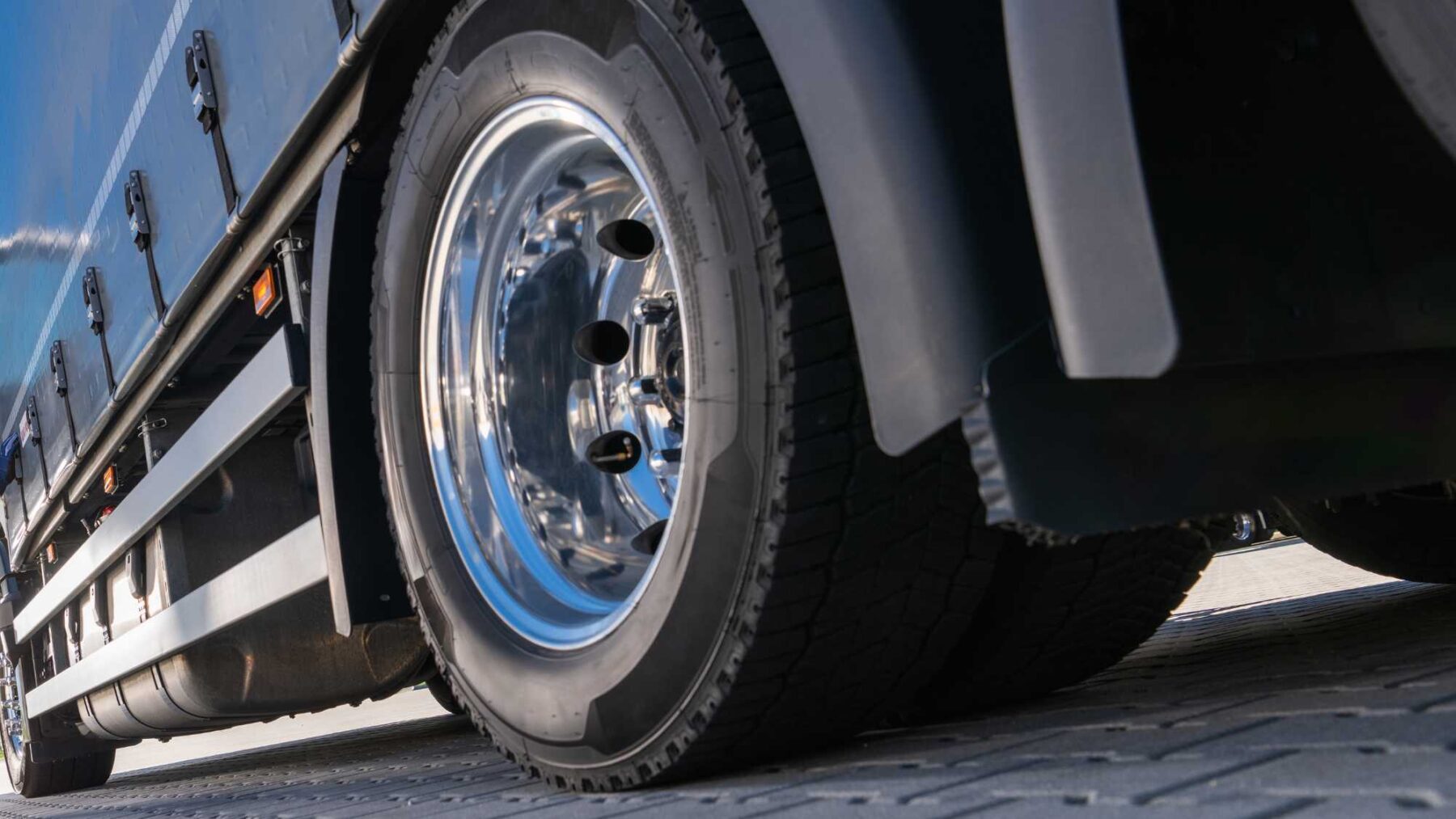
Truck tires, built for pickups and other vehicles that tow, haul, or handle off-road driving, use tougher materials and special tread designs to support heavy loads and strong traction.
Put them on a sedan, and they can overload the suspension, put extra stress on the drivetrain, and introduce risks you simply don’t need.
How SUV and Truck Tires Compare to Car Tires?
Even if two tires look the same at first glance, SUV and truck tires are built very differently from sedan tires.
Here are the main differences:
Heavier Load Ratings for Bigger Weight
Bigger vehicles usually need tires with higher load ratings so they can handle heavier weight without sagging. Regular passenger cars don’t need that kind of extra reinforcement, and using heavier tires on them would just create more drag and lower fuel efficiency.
That’s why sedan tires are made lighter and more efficient, while SUV and truck tires focus more on strength and stability thanks to their specialized construction.
For example,
Bridgestone, designs its tires with advanced materials and engineering that give them impressive durability and strength without adding extra weight.
Stronger Sidewalls for Stability
When you compare truck tires to car tires, or SUV tires to car tires, the size difference jumps out first. But the real factor is weight. A midsize sedan usually sits around 3,200 pounds, while a
full-size SUV or light truck can pass 5,000 pounds even before you load in people or gear. All that extra weight puts more strain on the tires, especially when you’re braking, turning, or towing.
That’s why SUV and truck tires often have stiffer sidewalls. They’re built to handle the added pressure, cut down on flexing, and keep the vehicle stable.
Deeper, Wider Tread Patterns for Grip
SUV/truck tires often feature:
- Larger tread blocks
- Deeper grooves
- More aggressive patterns
This gives you:
- Better traction in snow and rain
- Better braking performance
- More grip on gravel and uneven pavement
Car tires simply don’t have the tread depth or structure to handle heavier vehicle demands.
Why Tire Type Matters More Than You Think?
So, can you throw truck tires on a car? Not a good move. Tires made for bigger vehicles aren’t designed for the needs of smaller, lighter cars, and the opposite is true, too. Mixing them up can lead to uneven wear, dull handling, and a louder, rougher ride.
Even if it’s tempting to use whatever seems to fit your rims, here’s why it’s worth avoiding:
- Faster Wear: Tires that aren’t designed to handle your vehicle’s weight tend to wear out unevenly.
- Poor Handling: If the tire construction isn’t right for your car, you’ll lose grip and braking power.
- Lower Efficiency: Heavier or mismatched tires can drag down your fuel economy.
- Risks: When tires are overloaded or stressed, they’re more likely to fail, especially during hard stops or sharp turns.
Tires Aren’t One-Size-Fits-All
Bigger vehicles really do need different tires. When you compare SUV tires to car tires, or truck tires to car tires, the differences matter a lot for how they perform and how long they last. Larger vehicles need tires that can support extra weight, handle a taller center of gravity, and keep you in control across different driving conditions.
At Heart Certified Auto Care, we know how important it is to pair your vehicle with the right tires. That’s why we give you expert advice, professional installation, and reliable tire options to make sure your SUV or truck gets the tires it was truly made for.